 Kate Simpson
In this blog Kate Simpson reflects on the process behind her Site-Specific Nature Poem. The poem is part of Blue Space a Poetry School commissioned project taking place in Leeds in Autumn 2026 in partnership with Yorkshire Design Group and Canal & River Trust. You can read the poem here.
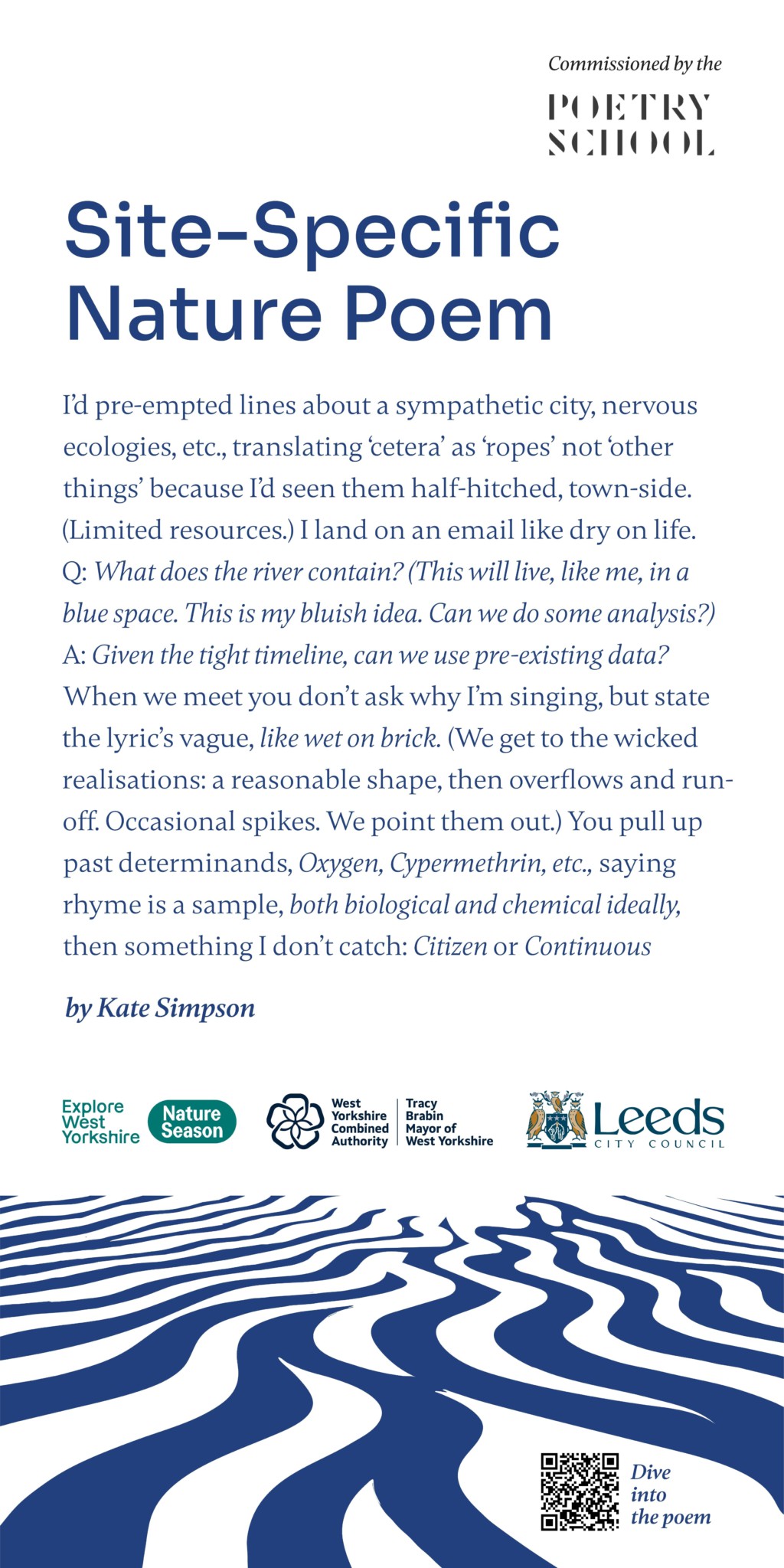
I’ve lived near rivers for most of my life: the Ouse, the Trent, the Tyne. Perhaps unsurprisingly, they’ve been a central feature in the poems I’ve carried around with me: the ones I’ve urged myself to meet over and over again. In Rachael Allen’s God Complex, the speaker tells us there is ‘a disruption of fate by not allowing rivers to do what they want’. Later, they confess that ‘[t]here is no control at any point in a narrative.’ [1] In Kayo Chingonyi’s poem ‘Baltic Mill’, we’re told that the ‘exact course that brought / us here is unimportant’. The antonym (what’s ‘important’) is that we can meet or have met ‘like this river, drawn from two sources’ to offer up ‘our flaws, our sedimental selves.’ [2]
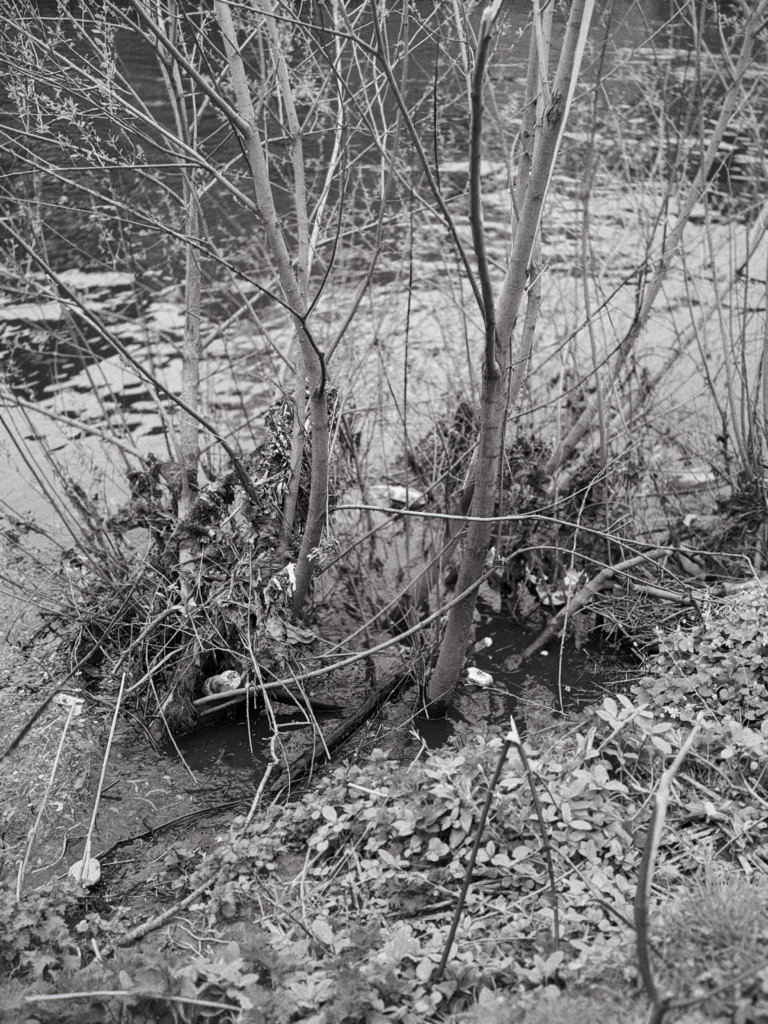
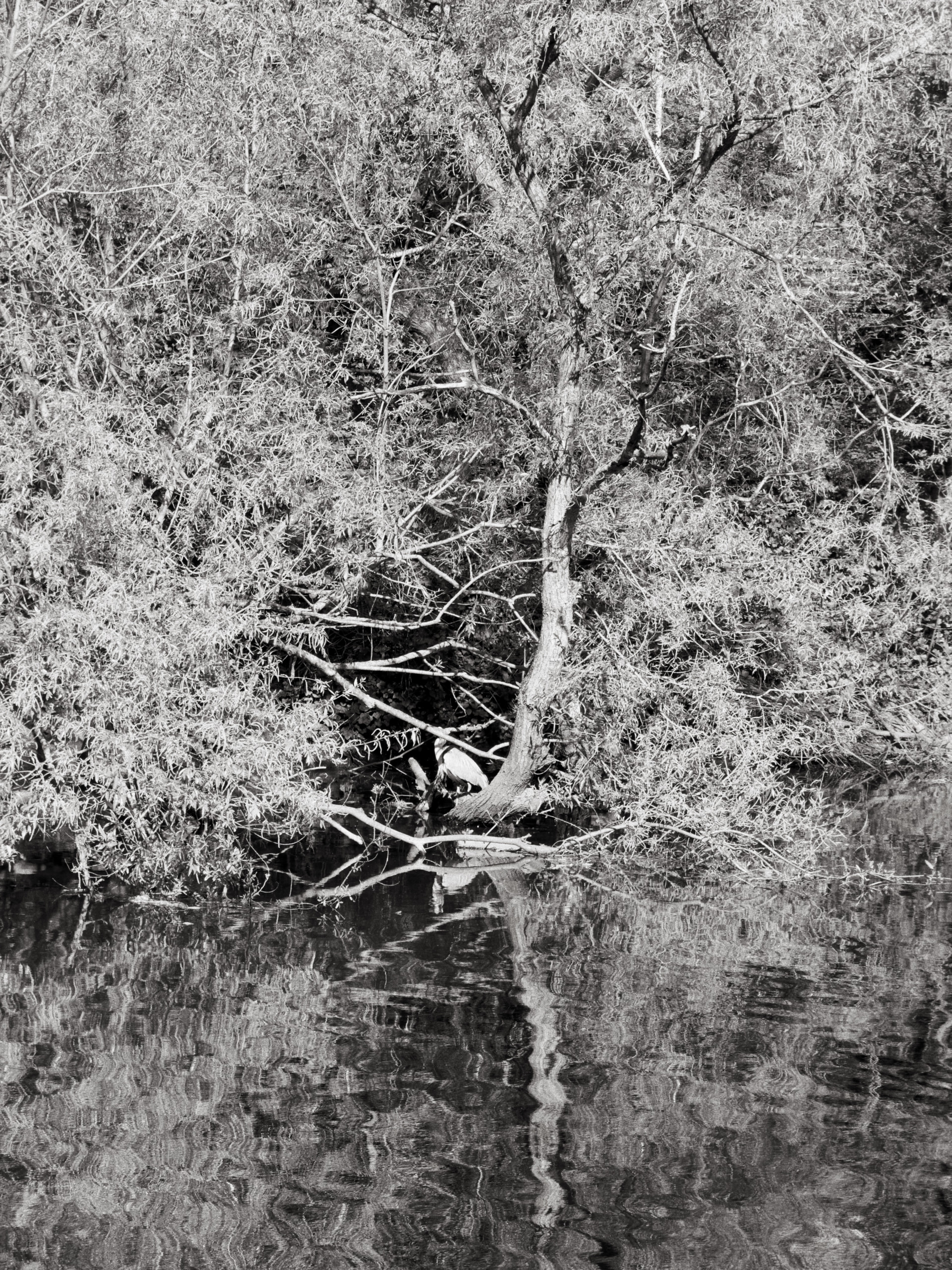
For the last few years, I’ve lived alongside the UK’s largest canal, which runs for 127 miles and connects Granary Wharf, Leeds, and Albert Dock, Liverpool. I walk along the canal every day, eventually crossing Centenary Bridge – over the River Aire – and landing on The Calls. It’s become part of my embodied experience, my memories, my dreams, my camera roll and my writing practice in ways I may never understand. In these years, I’ve also been studying as part of the UK’s first Doctoral Training Programme in ‘Extinction Studies’, a field that seeks to challenge the ways knowledge has been harmfully disciplined, and in turn the ways humans seek to harmfully separate themselves from nature through culture. [3]
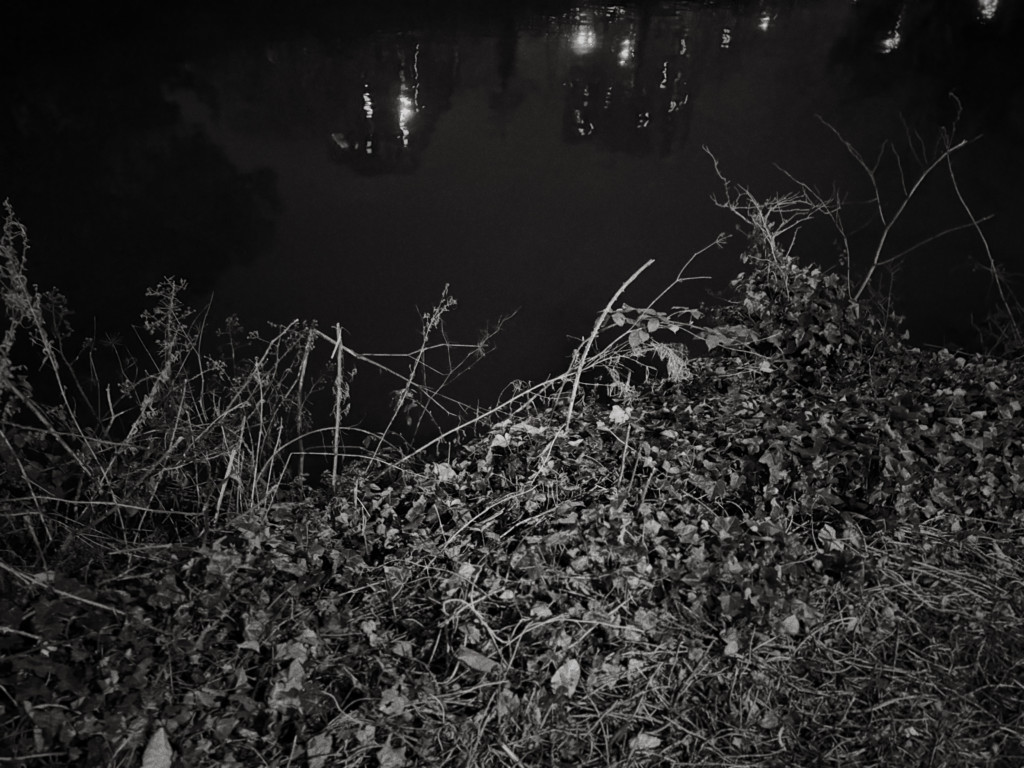
Here, I set out to confront ‘wicked’ problems: those that have no immediate solution, no clear definition, or where solutions have additional consequences. [4] ‘Wicked’ problems are often explained through components that are hard to be ‘decoupled’ (biodiversity loss and climate change, for example, or biodiversity loss and agriculture). Where the ‘coupling’ is ‘tight’, it’s very difficult to make positive changes (even more difficult to discern what ‘positive’ changes might look like). Looking back, I wonder how much the river has influenced my research, flowing next to me on my way up to the university, then again, on my walk home, accompanying me while I wonder if it’s possible to finish a doctorate with such unwieldy intentions.
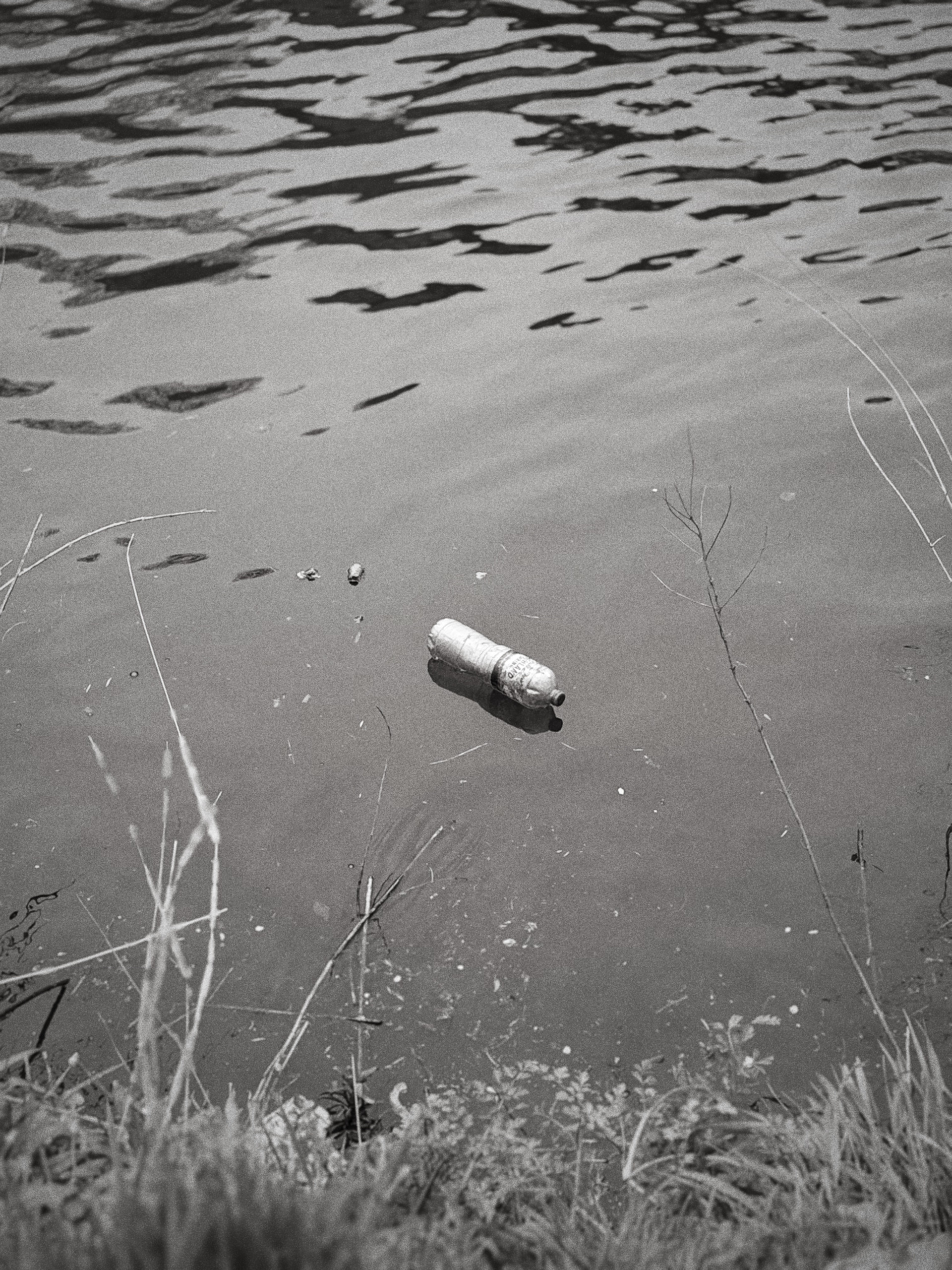
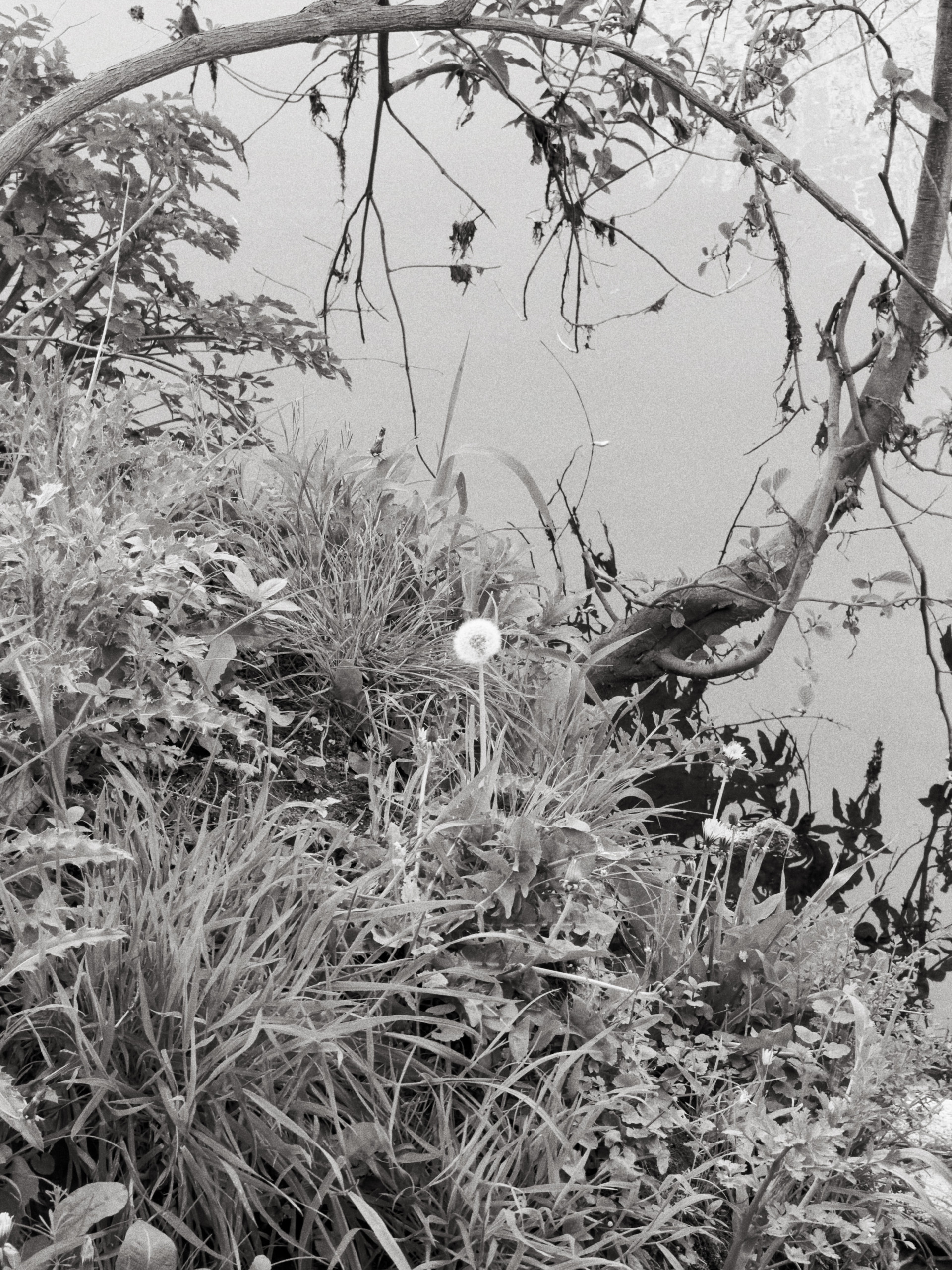
When Leeds City Council advertised their ‘Seasons of Culture’ series, I was surprised to see the word ‘Nature’ being used as the theme, calling for ‘creative works in green and blue spaces,’ and forms of ‘environmental storytelling’ that explore ‘sustainability and climate resilience’. I’m still (softly) shocked whenever I see the word (even if I understand why it’s being used, in a language divided by subjects and objects). To my mind, ‘nature’ is one of the most problematic words still in use, often employed as a reductive noun that homogenises the living world into a singular object, or as a divisional adjective (‘natural’), through which objects and entities can be deemed ‘unnatural’.
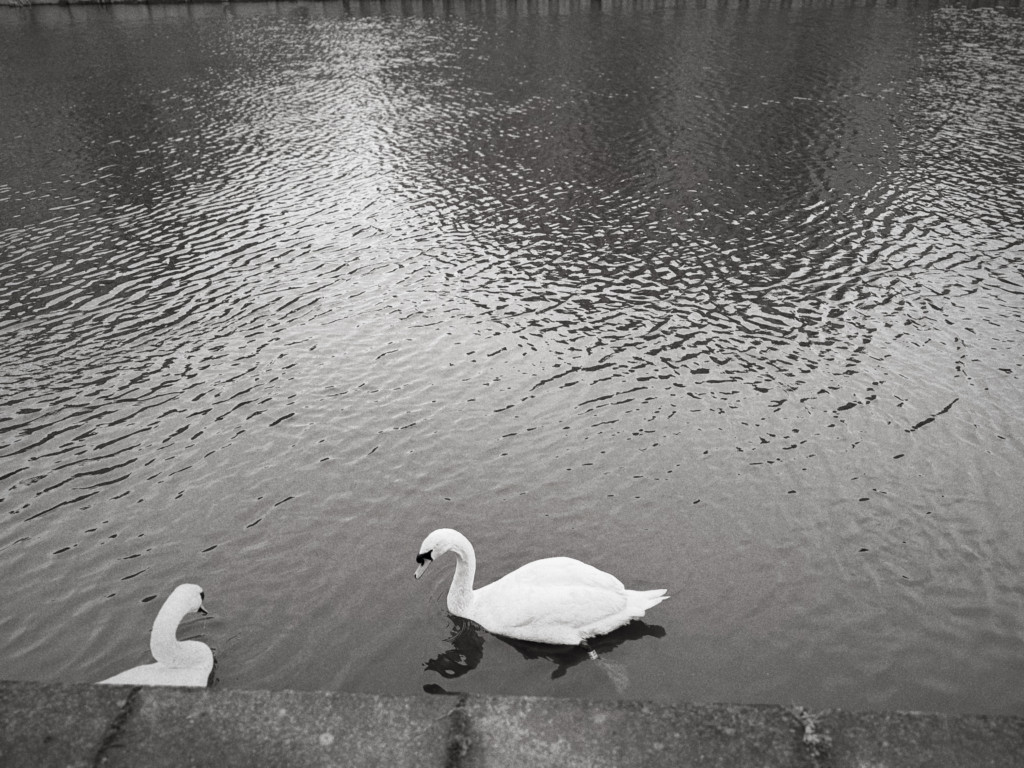
From my perspective, there are only synthesised or non-synthesised materials: those that occur without sentient intervention, like clay or water, and those that only occur with sentient intervention, like plastics and chemical pollutants. [6] (Cypermethrin, for example, is a fast-acting insecticide which destabilises nervous systems, synthesising chrysanthemic acid, which has been extracted from Chrysanthemum flowers.) It was another surprise to me, then, that I allowed the word ‘nature’ into a title of a poem. Or perhaps it’s more accurate to say I let it stay, unmodified. For me, poems are always natural (or ‘non-synthesised’, given that poetry comes from biological beings) and always synthesised (given that it takes preexisting materials, both biotic and abiotic, and transforms them into something else entirely).
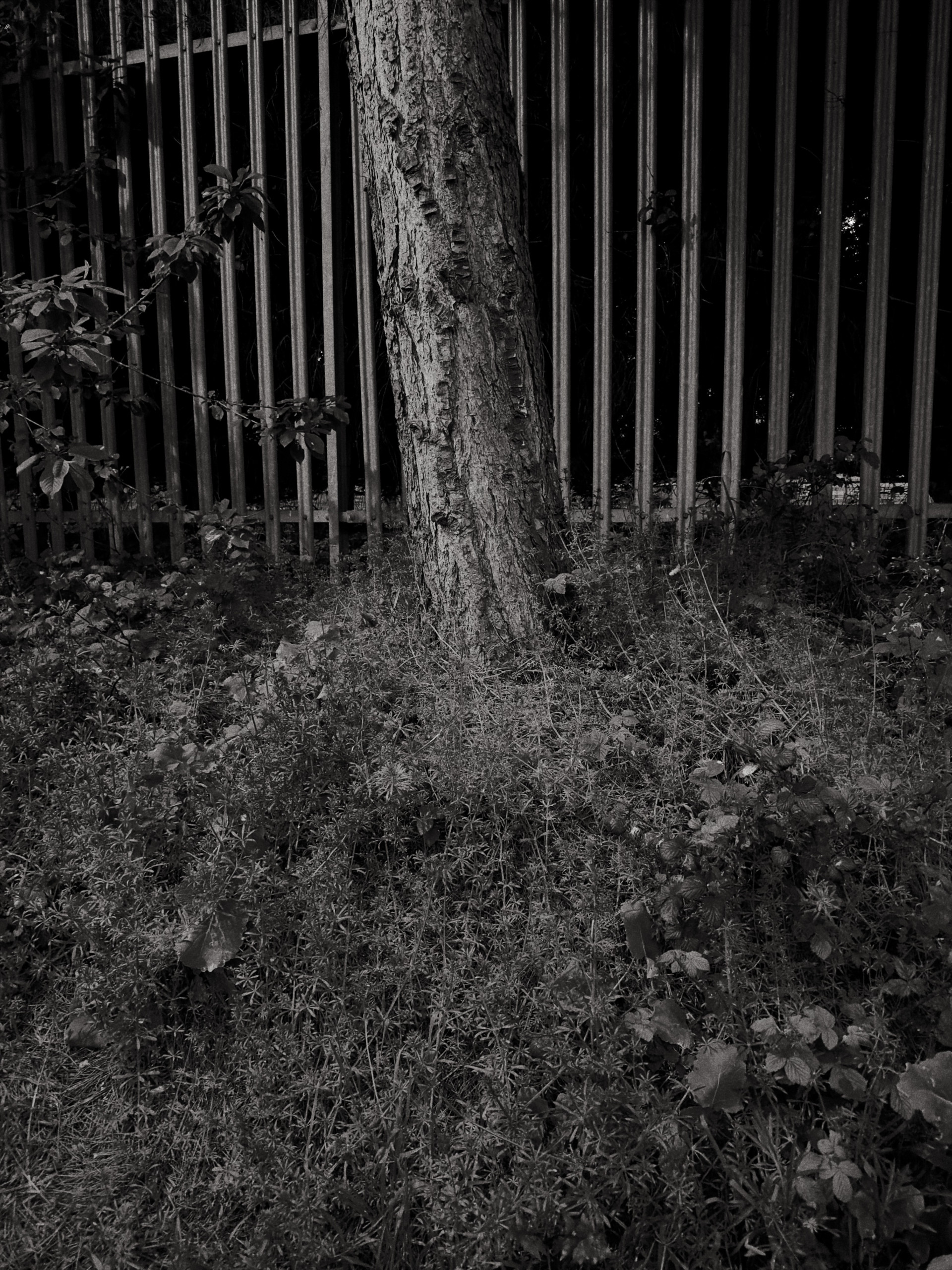
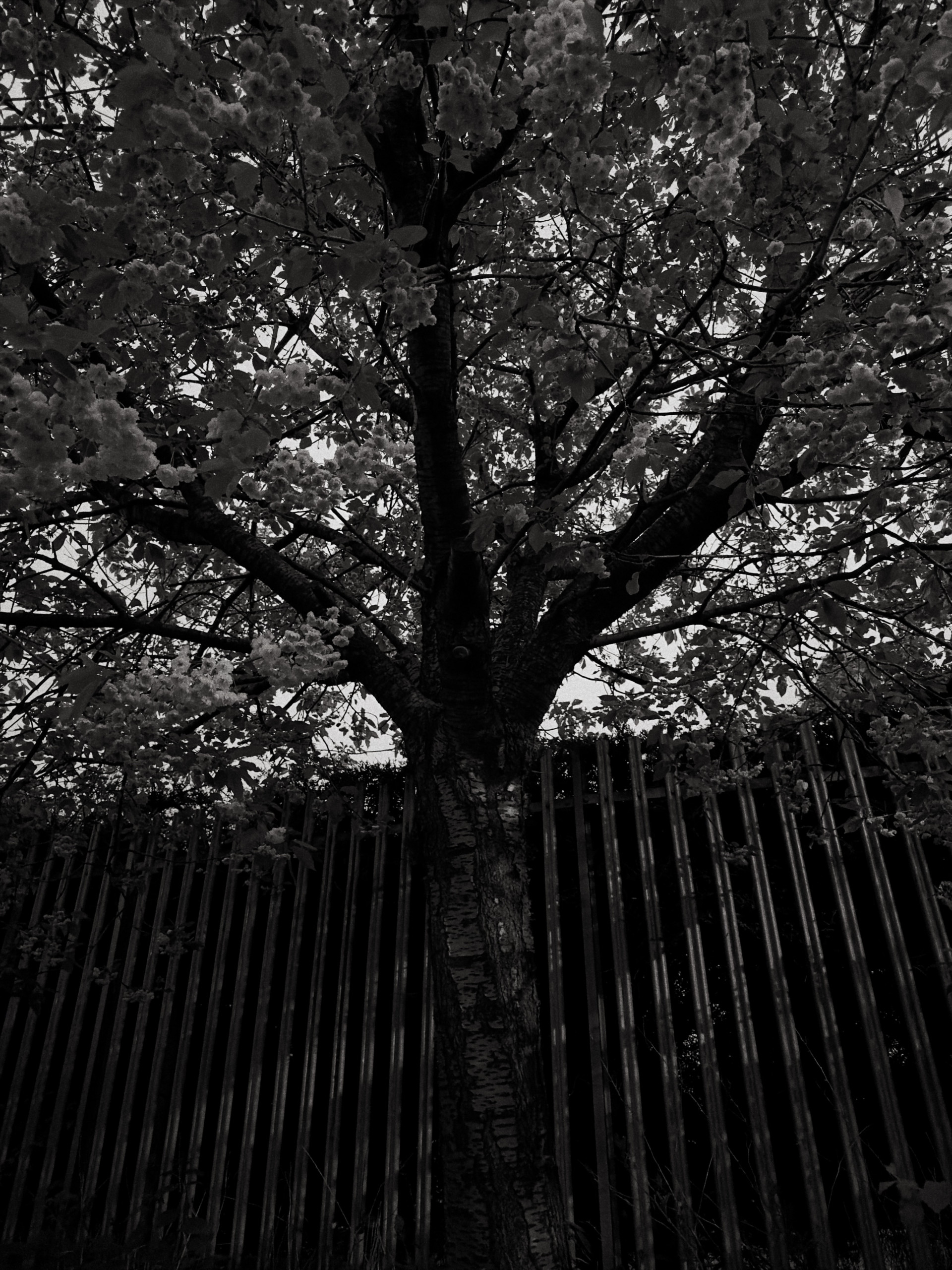
In Spring, I reached out to Gbotemi Adediran, a researcher who explores the intricate interactions between microbes, soil, plants, air, water and humans, seeking to understand the critical processes that shape water quality. Painfully aware of my own naivety, though allowing myself to be naïve, I asked whether we could take some samples and analyse them to see what the river contains, perhaps from the perspective of microplastics and other novel chemical pollutants, but also forms of biotic life, thinking about the balance of nutrients/contaminants, and the complexity of what water health means? A couple of weeks later, ’Temi welcomed me into his office and pulled up results from DEFRA (the Department for Environment Food & Rural Affairs) as part of its ‘Water Quality Explorer’. He asked me to be more specific in what I was asking. He showed me determinands (the specific chemical, physical or biological properties and substances that are, or have been, measured). He asked me to choose a sampling point (NE-49400433, Aire at Leeds Bridge).
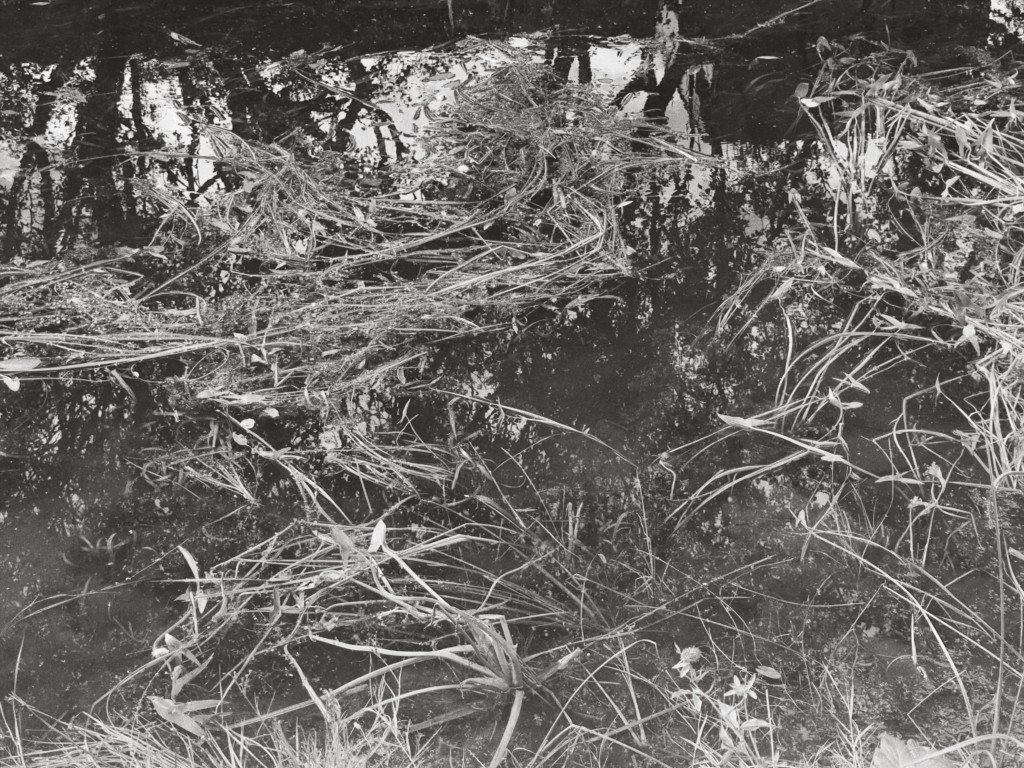
To both of our surprise, the data only runs up to 2018 for most measurements (like nutrients and metals), and up to early 2020 for basic elements like temperature and oxygen. Back then, the river was in reasonable shape overall. The water wasn’t acidic or unsafe, and oxygen levels were mostly fine. There was too much phosphorus, likely coming from sewage overflows and runoff from roads and drains in the city. There were also some occasional spikes in metals like lead, copper, and zinc, probably from the same urban sources. But this wasn’t the main problem. The snapshot, ’Temi told me, is now between 6 and 11 years old, and a lot could have changed since then. We can’t just monitor a river once and assume the results still apply years later. Regular, ongoing monitoring is the only way to know whether a river is actually recovering or quietly getting worse, and it’s the only way to catch sudden pollution events or dangerous conditions that a one-off study from years ago could never show us.
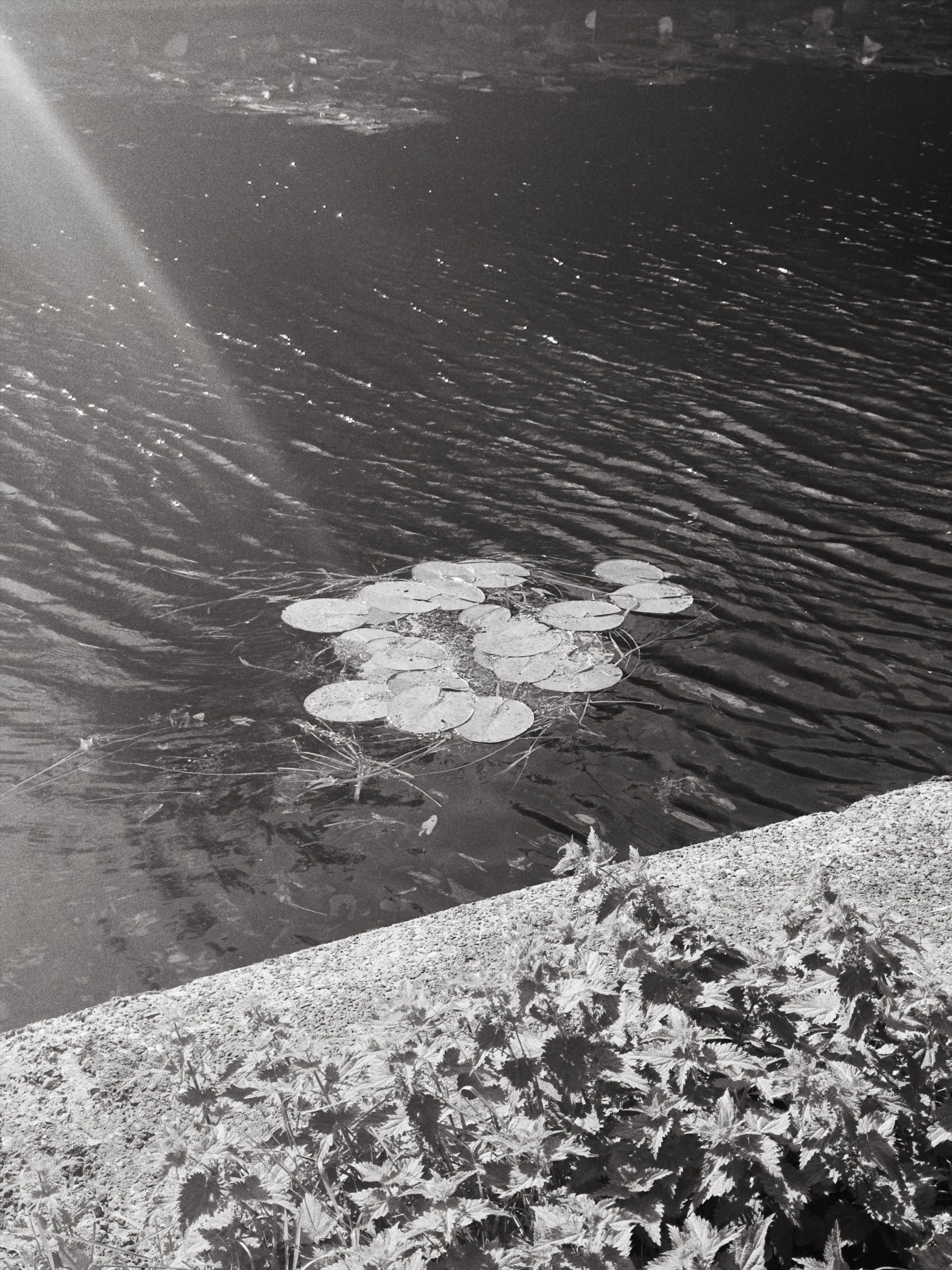
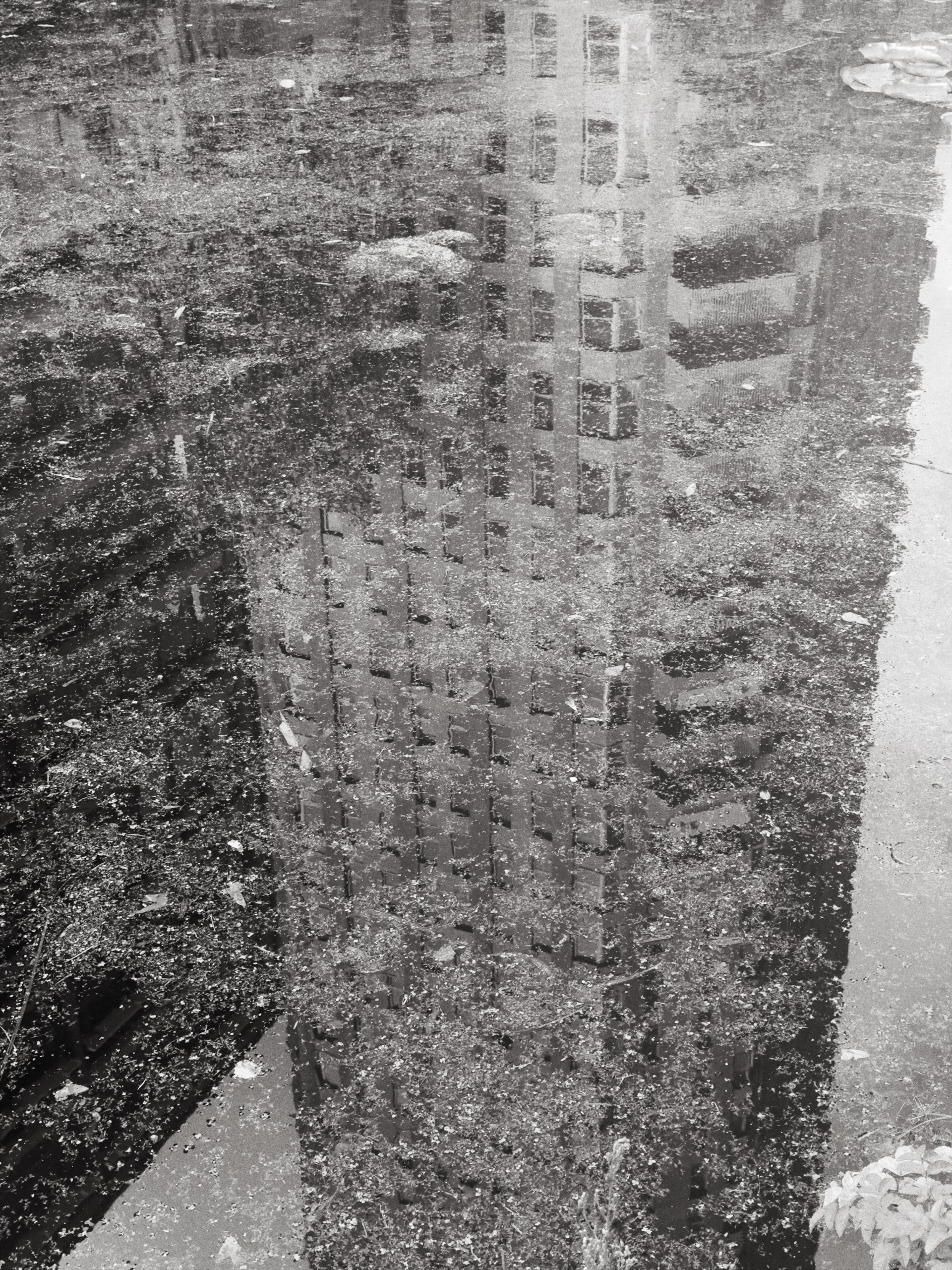
The sonnet (or a version of the sonnet, depending on your definition of ‘little songs’) felt like the right form for this project, not least because I’d been teaching Joyelle McSweeney’s ‘Toxic Sonnets’ (Toxicon and Arachne) [7] and dipping into the ‘necropastoral’, a genre that combines the ‘sinister and resourceful’, [8] but because my intentions for (and feelings towards) the river had taken such a demonstrative turn. The word ‘know’ is perhaps as ‘wicked’ as the word ‘nature’, but I felt, suddenly, that the river was no longer ‘known’, or was moving, increasingly, into different forms of being ‘known’ (only by those that live in it or alongside it, not by those who have the agency to change itsoverall health). Walking up and down the towpath, I thought about rhyme and the ways it exercises memory. Rhyme asks the ear to remember sounds that have come before. Rhyme asks us to observe the present as it compares to the past. But what if the present is no longer being observed? With each test, we’ve been listening to what’s passing by at a particular moment – Oxygen, Cadmium, Arsenic, Cypermethrin – but the rhyme scheme has, for now, been discontinued.
Acknowledgements:
With thanks to Gbotemi Adediran, Lecturer in Earth Surface Geochemistry, University of Leeds; Paul Ellison, Managing Director, Yorkshire Design Group; Leeds City Council; West Yorkshire Combined Authority; and the Canal & River Trust.
References:
[5] Anna Tsing, ‘Arts of Inclusion, or, How to Love a Mushroom’, Australian Humanities Review (Bundoora), no. 50 (May 2011), p. 1.
For more information:
To continue the river’s rhyme scheme:
Kate Simpson is a poet, editor, producer and academic. Her anthology, Out of Time: Poetry from the Climate Emergency (2021), was a Guardian Book of the Year and a Poetry Book Society Special Commendation. She has edited for Aesthetica, Faber, Valley Press, Magma and AMBIT, and has written on science and literature for The Telegraph, the TLS, Poetry Review, PNR and The London Magazine. She was the inaugural producer of Summit: A Poetry School Festival and has programmed events for Durham Book Festival and VERVE, amongst others. She was part of the UK’s first Doctoral Training Programme in Extinction Studies and is a Lecturer in Creative Writing at the University of Leeds.
Add your Reply
You must be logged in to post a comment.