 Camilla Nelson
What happens when we combine human language with fungal, plant, insect, bird, and animal methods of communication? Camilla Nelson who will be teaching her Online course, BECOMING: Transreading Interspecies Empathy & Innovative Poetics, with us this Autumn, gives us some examples and tips for writing poetry from a non-human perspective.
FUNGUS
Read letters as spores.
Choose a poem or a line of writing and let the letters drift. Transpose letters outside their words. Place them differently around the page. Let more letters join them. Write sideways, up, down, horizontal. Create new networks of sense. Let your mind and hand wander. Be mycelial.
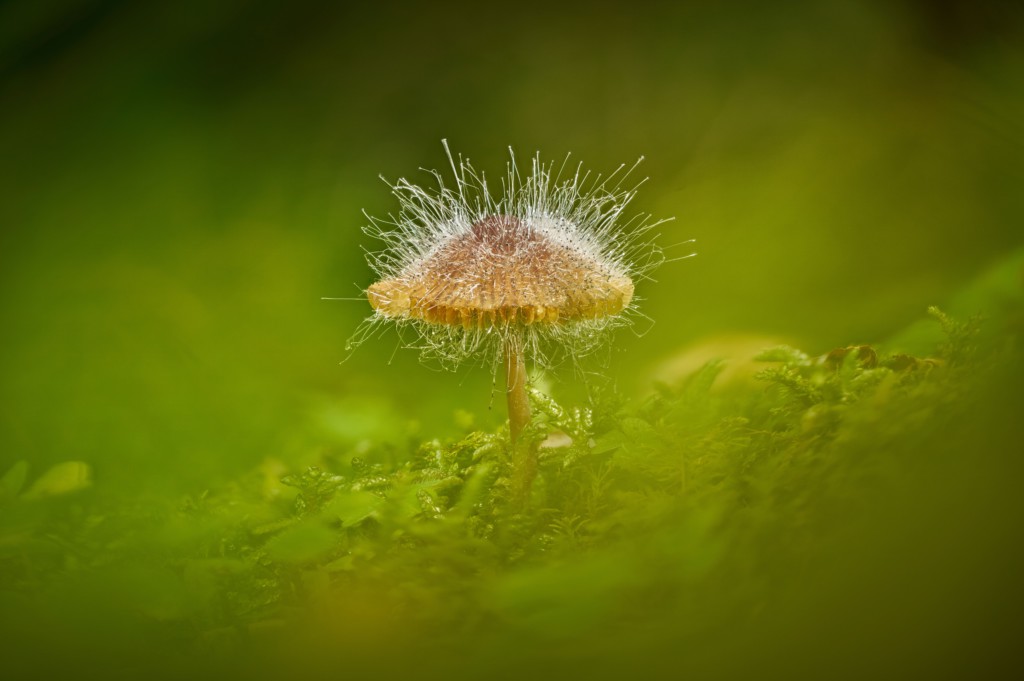
Image credit: @tommes-frites
PLANT
Autumn is a time of seed. Gather seeds. Cover a page with glue. Throw the seeds over the page. What sticks? Read these seeds as letters. What letters have the seeds sown? Add more letters. What words emerge?
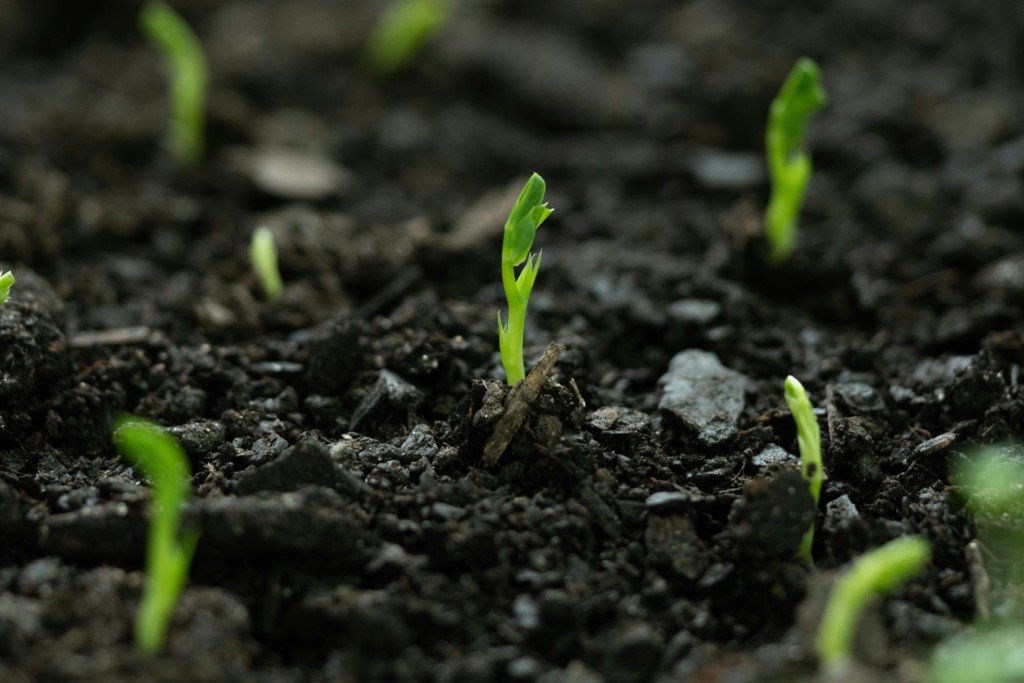
Image credit: @norajanelong
INSECT
A spider is an arachnid but we’ll include it for argument’s sake.
A spider paralyses its prey before bundling it in thread, dissolving its organs and sucking them out like a milkshake. How might you do this with words? Use the spider’s tools. Use a pre-existing poem. Yours or someone else’s. Bind. Dissolve. Disperse. Thread. Be more spider.
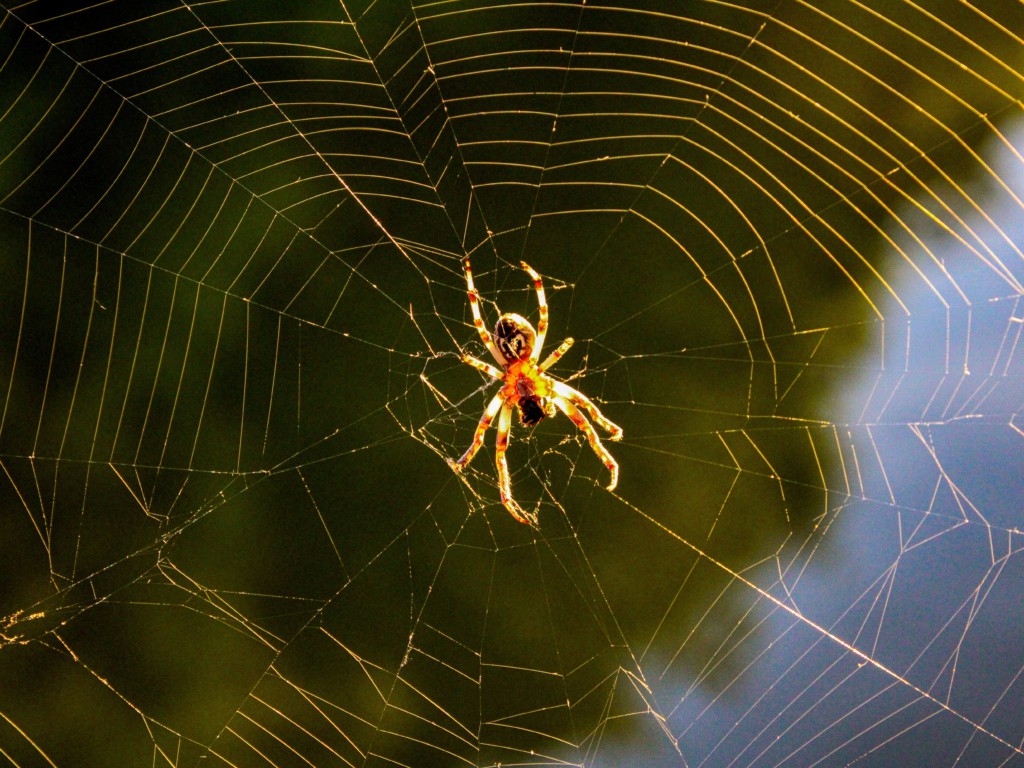
Image credit: @alban-mehmeti
BIRD
Hanna Tuulikki’s Away with the Birds creates a visual score and sonic performance from bird song.
Listen. What bird calls can you hear? Copy their calls. How do they sound in your mouth? Repeat. Play. What is their intonation? Does it sound like a sentence? Use the cadence of birdsong to suggest letters, words, phrases. Compose with the birds.
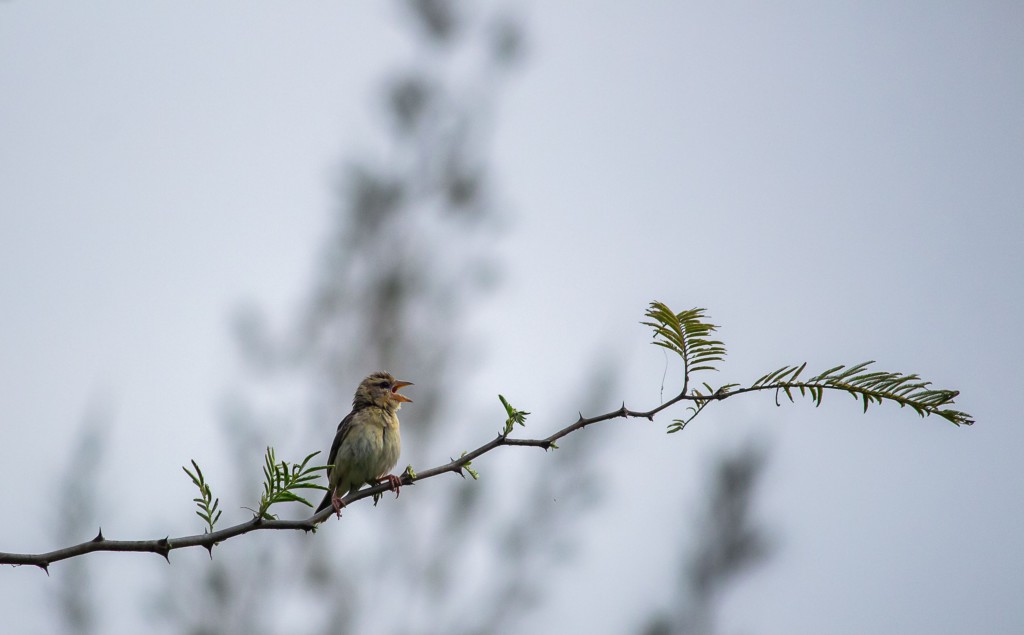
Image credit: @pavan-prasad
ANIMAL
Feel into the “soft animal of your body” (Mary Oliver, “Wild Geese”).
Press your hands into different parts of your body. Feel the power and resistance in your muscles and bones. Press the soles of your feet into earth. Explore your teeth with your tongue. Take a deep breath. Remember your animal self. Move how your body wants to move. Write how your body wants you to write.
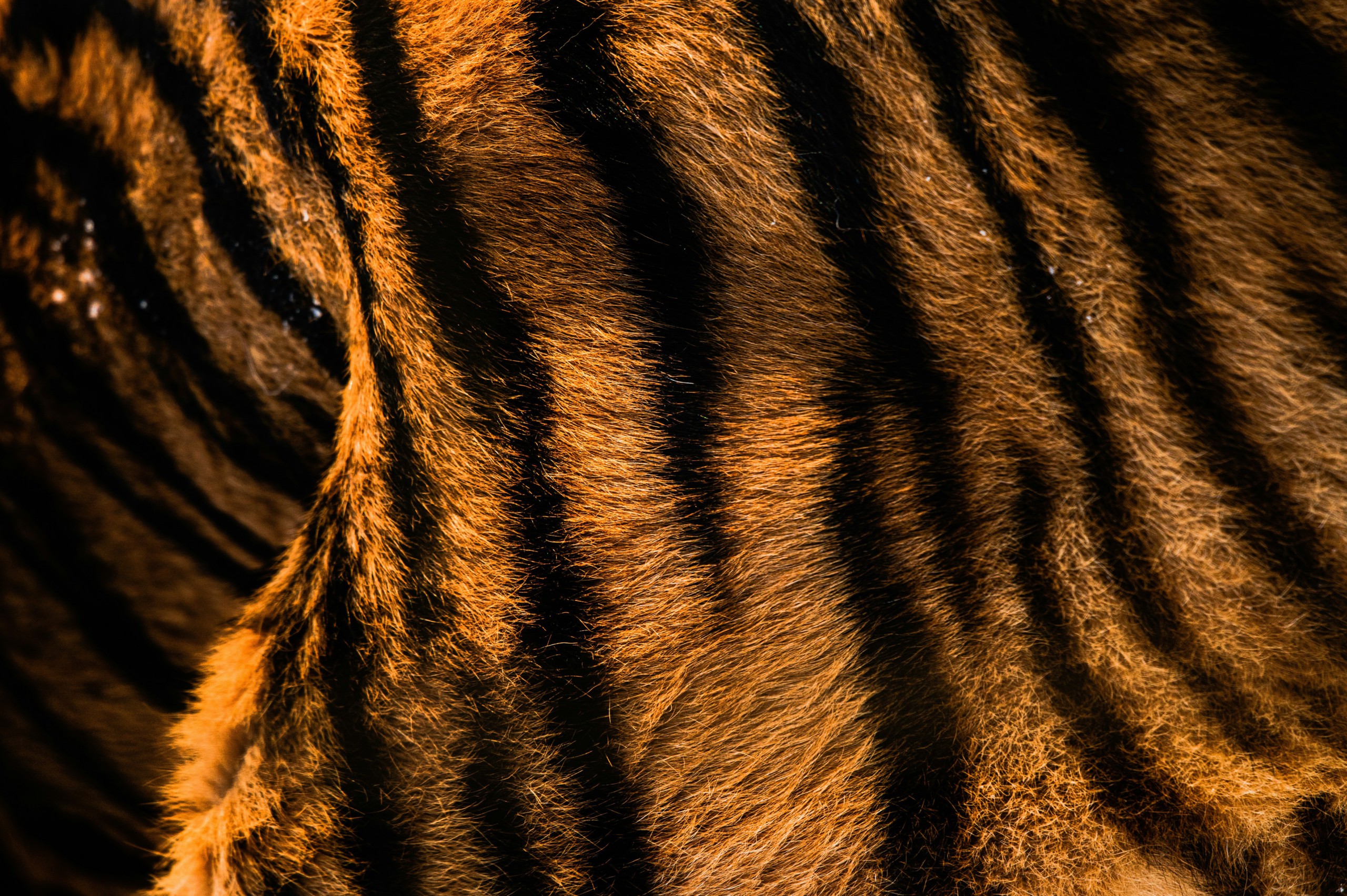
Image credit: @ryunosuke_kikuno
If you’d like to develop extra-human and extra-linguistic poetries by infusing nonhuman creative strategies into human language-making, Camilla is running her Online course BECOMING: Transreading Interspecies Empathy & Innovative Poetics with us this Autumn, starting on Tuesday 29 September. To find out more & to secure your place, please click here.
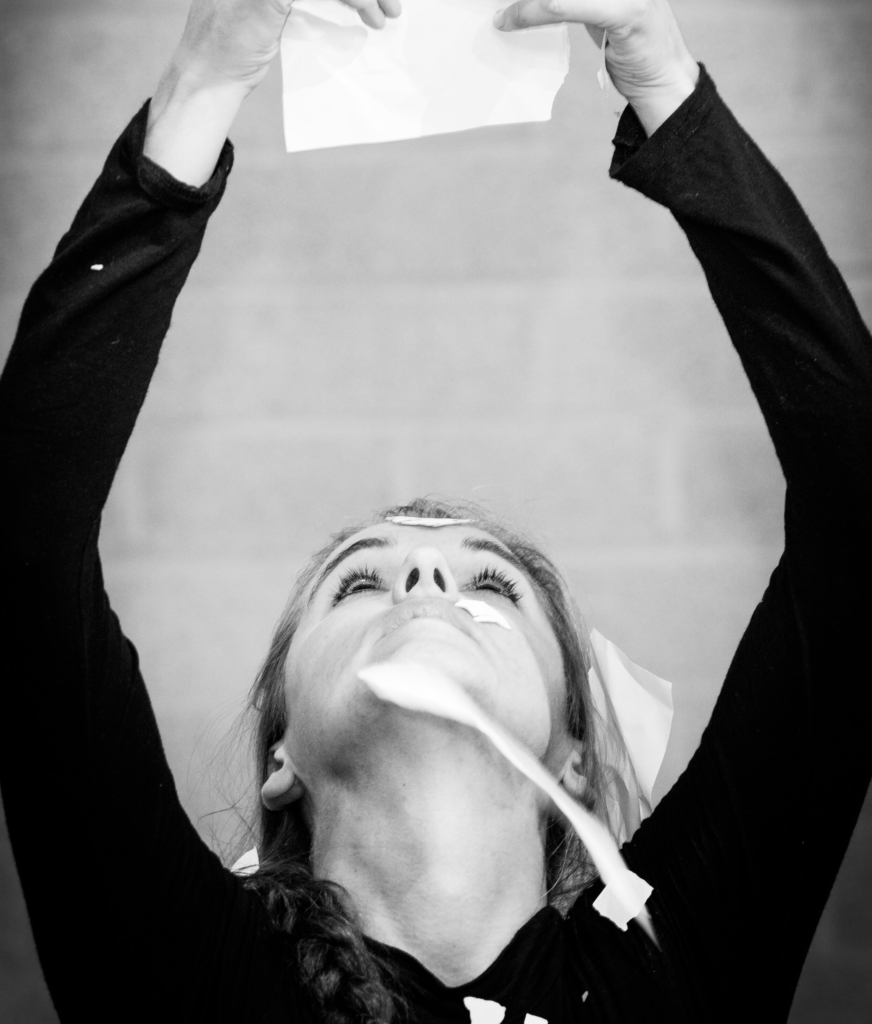
Camilla Nelson is founding editor of Singing Apple Press, a small independent press that produces hand-crafted, limited edition poem-prints, books and other objects. Her work explores the materiality of language, particularly in relation to the other-than-human, in page-based poetry, soundwork, installation and performance. Camilla’s poetry collections include Apples & Other Languages (Knives Forks and Spoons, 2017), A Yarn Er Narrative (Contraband Books, 2019), and EPIC (Guillemot Press, 2021). She has a PhD in Performance Writing from Falmouth University/Dartington College of Arts (2012) and is a Visiting Research Fellow at Bath Spa University. www.camillanelson.co.uk
Add your Reply
You must be logged in to post a comment.