 Christy Ku
We can’t all be dreamy and disorganised writers – some of us have to know how to send an invoice. Christy Ku, who is running her course The Business of Poetry this Autumn, is here to provide practical knowledge to support your creative self as a working writer.
1. Create a payments tracker
When you engage in paid creative work (yes it does happen, it’s not a myth), you want to keep track of your money – what’s coming in, from where and what’s late. It doesn’t have to be complex, just a spreadsheet that notes:
- Your invoice number
- Company name
- Details about the project
- Payment amount
- When you sent it
- When it’s due
- Have they paid it
Companies have 30 days from receiving your invoice to pay you. Otherwise, late fees apply under Late Payments of Commercial Debts (Interest) Act 1998.

Image credit: @karepesinde
2. Back up your writing
Do anything every now and then to save your work in a safe place. Don’t be lulled into a false sense of “oh that won’t happen to me” – you are not immune! At the very least, do one of these on the first day of each month:
- Plug in a hard drive that will automatically back up your entire laptop’s system
- Pop in a good old fashioned memory stick now and then to save a copy
- Email yourself your writing
- Auto-save your work in the digital cloud
- Take photos of your written pages

Image credit: @chimp_
3. Log your submissions
If you’re submitting to prizes, competitions, publishers and publications etc, knowing what you sent, who you sent it to and when is crucial. You don’t want to be sending the same five poems to the same publisher every few weeks, shooting the wrong submission to a magazine, or missing deadlines because you confused two competitions for each other.
As poets, you’ll mostly be sending poems in via Submittable and through emails, but it can be useful to create your own system that combines everything in one place.
You can make a spreadsheet or some other system that notes:
- Name of the opportunity
- Details of the opportunity
- Your submission
- Submission date or deadline
- Did you get a yes/no/shortlist/longlist
- Who you contacted
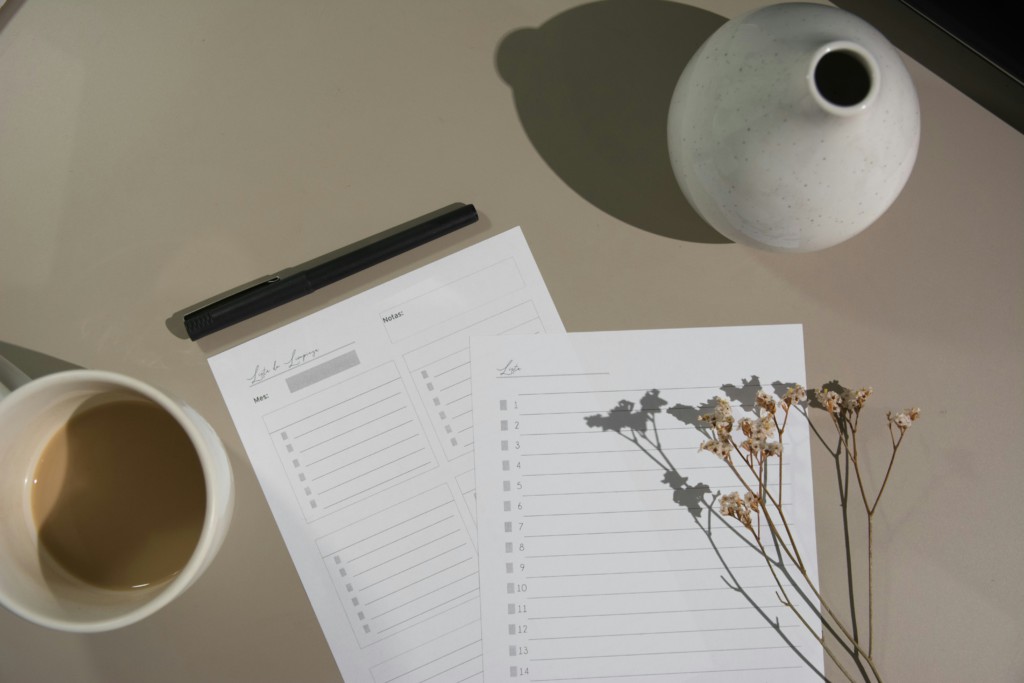
Image credit: @paicooficial
4. Organise your writing
Once, I surveyed the people (I asked on my Instagram stories) on what their systems were for keeping their writing organised.
The most common reply was “HAHAHAHAHAHA”.
Whatever system you have, make it work for you. It doesn’t have to make sense to anyone else, but as long as you know so you’re not losing material or spending preciously rare writing time wondering where you wrote that one critical sentence.
For example, I like to draft longhand in a specific notebook and make notes in my Notes app. All are compiled in my Scrivener every now and then, and that’s where all the main projects are expanded.

Image credit: @aleksi_p
5. Carve out creative time
In these busy modern times, no one has time to sit pouring over their literary work for hours by candlelight.
So where are the moments you can read or write? Maybe on the train to work, you read or make notes on your phone instead of scrolling through social media in between tunnels. Maybe you’re able to get up 10 minutes earlier or go to bed 10 minutes later when the house is finally quiet. Perhaps on the walk home from the school run, you can put your headphones in, pretend to listen to something so no one talks to you and simply think about your creative work.
You are always a writer, no matter your word count or time spent at a desk.
Image credit: @yenvu
If you’d like to learn more about balancing your work with your writing, Christy is running her 1-day Zoom course The Business of Poetry with us this Autumn, taking place on Saturday 10 October. To find out more & to secure your place, please click here.
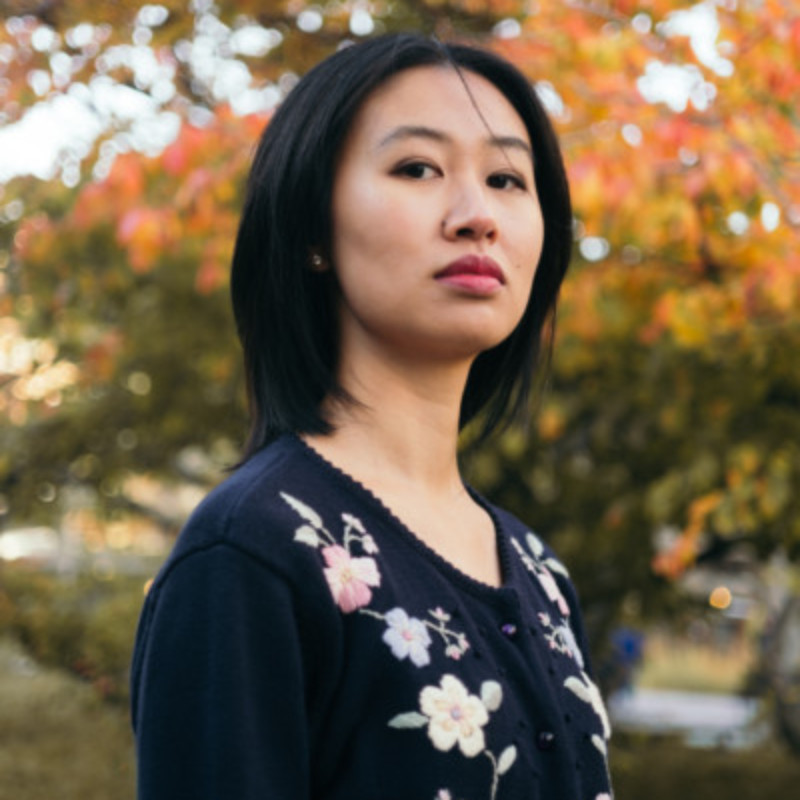
Christy Ku is a London based poet, playwright, actor, and workshop facilitator. Her work focuses on empowering creative confidence for all, across different industries and backgrounds.
She is a James Berry Poetry Prize 2024 commended poet. Christy has performed on Benjamin Zephaniah’s BAFTA award winning TV show ‘Life and Rhymes’ and was chosen by Simon Armitage to perform at his Freedom of the City of London Award and at Latitude Festival 2025. Her debut play was long-listed for the Women’s Prize for Playwriting 2025.
She has worked with organisations including the BBC, Sky Arts, Apples & Snakes, Science Museum and the Barbican on projects such as poetry films, spoken word tracks, and theatre shows. Christy is an alumna of the Barbican Young Poets, New Earth Actors Academy, National Youth Theatre, Southbank New Poets Collective, and Royal Court Theatre Playwriting Group. She is the founder of BESEA Poets, a platform for British based East and South-East Asian poets.
Christy has been published with Macmillan Children’s Books, Pan Macmillan, Own It!, Magma Poetry, the Barbican, Potluck Zine, Spoonfed, The Dark Horse Magazine, The North, Frontier Poetry and more. She was once rejected from having a poem baked onto 200 loaves of bread.
Christy is currently working on her DYCP for playwriting and is seeking a publisher for her debut poetry pamphlet.
Add your Reply
You must be logged in to post a comment.