 Leah Umansky
Wondering where to start with refining your writing practise? Leah Umansky shares her top tips which will help you improve your poetry.
1. Read (and Take Note!)
Keep some kind of journal, whether it be one for the morning, when you wake up, or one for evening, before bed. I also have a small journal I always take when I go to any kind of talk, reading or museum. Some kind of note app on your phone is also a useful tool, make notes with poetry reminders. Additionally, read! Read books, keep some nearby that you can dip into a little bit each day or night. Go to readings in person or on zoom – hear living poets! Community is so inspiring.
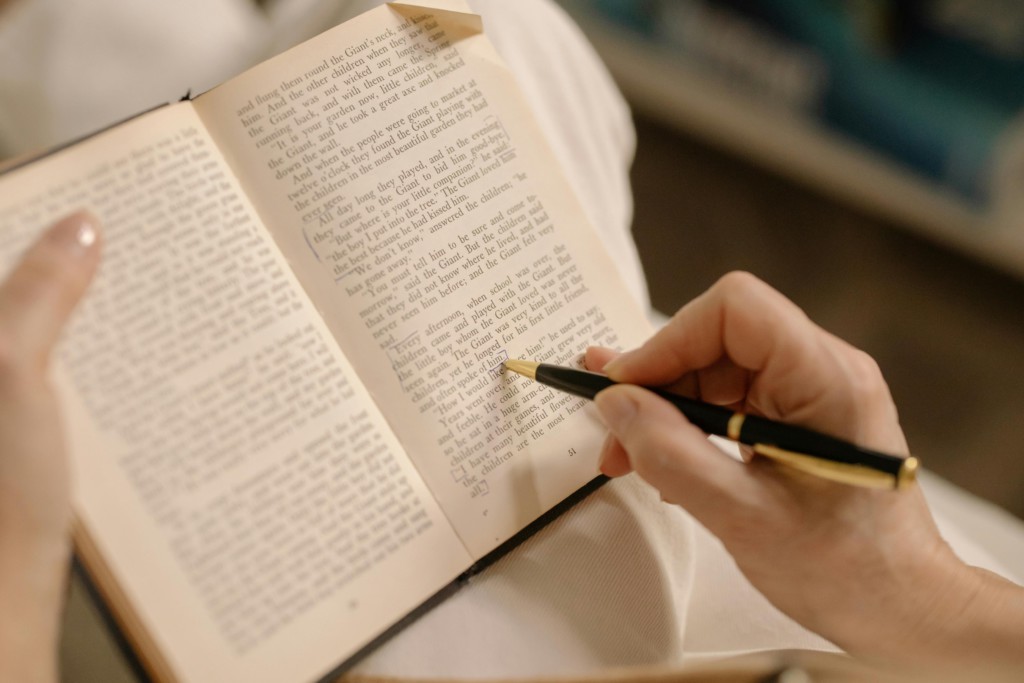
Image credit: @cottonbro
2. Be playful
Being playful – letting go of form per se – try to not judge your work, and just trust your intuition. I think there are so many great exercises out there. If you’re someone that really enjoys a book of exercises, there’s the new Dorianne Laux one which is great, and so many others, but honestly, try to make up your own.

Image credit: @4dgraphic
3. Listen and Observe
Listen to podcasts. Watch reels on YouTube. You just never know what will strike you. Some of my favourite poems I’ve written are poems I wrote after being inspired by a line of dialogue in a tv show or movie. You never know what will change your perspective or give you an idea.

Image credit: @willfrancis
4. Trust your intuition
I think the cliché is true: if you don’t try, you’ll never know. Again, I think trusting your intuition, giving yourself permission to play with your thoughts, is crucial. Some of my most ‘experimental’ poems, if you will, came when I turned off my brain and just wrote without thinking too much. I think listening to music helps too, it kind of distracts you in a good way. Sometimes, I listen to a song on repeat. Whatever works for you, go for it.

Image credit: @halacious
5. Get inspired
When I’m stuck I often write a poem inspired by another poem. I’ll look at how a title of a poem, for example, does a certain thing, like a fugitive title, that bleeds into the first line of the poem, and I’ll give myself an assignment for a poem. I often think that all poems inspire other poems. Imitation is high praise in my eyes. Some of my favourite poems have been written after other favourite poems. When you read a poem you like, try to make your own prompt based off it.

Image credit: @grakozy
6. Go for a walk
I can’t believe I’m now that poet that speaks like this but, you never regret a walk, and I almost always find something that inspires me – an image, something I overhear, who knows!
Image credit: @areksan
Leah is teaching her Online course Poems After Poems: Writing Ars Poetica with us this Summer, starting on Friday 15 May. For more information and to secure your place please visit this page.
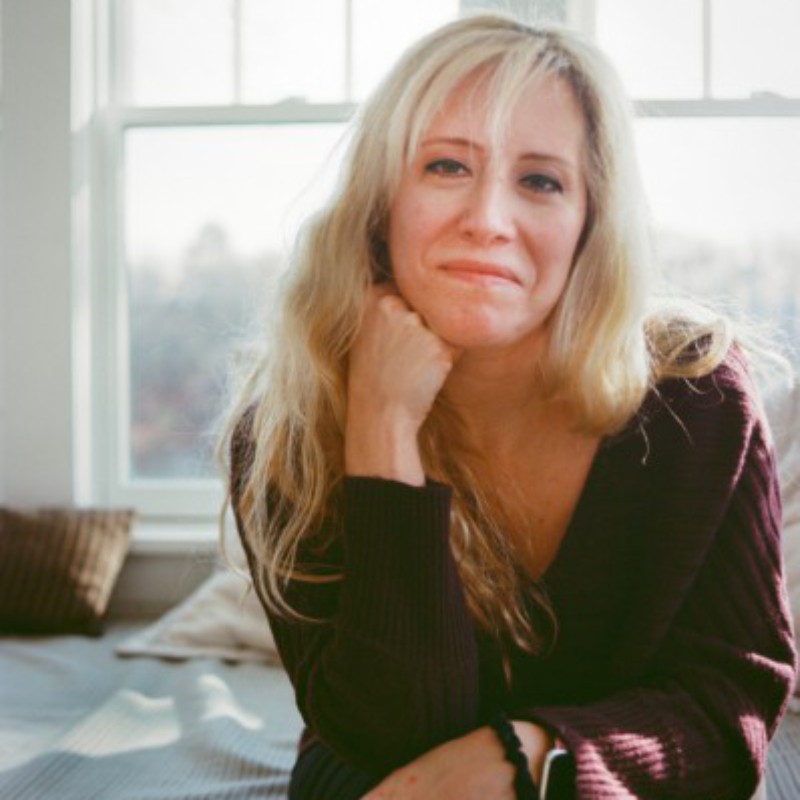
Leah Umansky is a writer, educator, artist and the author of the forthcoming memoir, Delicate Machine (Dzanc Books, 2027), and five books of poetry, most recently Of Tyrant (Word Works Books, 2024.) She earned her MFA in Poetry at Sarah Lawrence College and has curated and hosted The COUPLET Reading Series in NYC since 2011. She is the creator of the STAY BRAVE Substack which encourages women-identifying creatives to inspire other women-identifying creatives to stay brave in their creative pursuits. Her creative work has been featured on PBS and The Slowdown Podcast, and in such places as The New York Times, The Academy of American Poets’ Poem-A Day, POETRY, Bennington Review, and American Poetry Review. She is an educator and writing coach who has taught workshops to all ages at such places as The Guggenheim, The New York Public Library, Poetry School London, Poets House, Memorial Sloan Kettering and elsewhere. She is working on a fourth collection of poems ORDINARY SPLENDOR, on wonder, joy and love. She can be found at www.leahumansky.com
Inspirational!