Blog
Finding Your Poetic Inspiration
Are you stuck in a writers’ block, or struggling to find that spark of inspiration for writing new poetry? Finding inspiration for your poetry can be tricky at times, so we’ve put together a list of our courses which include a variety of themes guaranteed to unlock new ideas and get those creative juices flowing! Poems…
 Poetry School
Feedback, Originality, & Ownership in Poetry Workshops with Matthew Caley (part 3)
In this series, we interview our tutors about poetry and its place in their world. These interviews will cover creative writing tips, excelling in a poetry workshop, building a literary career, and finding your poetic voice. Here’s the third and final part of Matthew Caley discussing feedback, originality & ownership in workshops. You can read…
 Matthew Caley
How do I know if my Poem is Working?
Ever felt like your poem just isn’t working, or that there’s something missing but you’re not sure what? Receiving feedback from fellow writers, and getting tips from esteemed tutors, is the best way to finetune those poems and get them ready for submission. We have a range of workshops for poets of all abilities. Check…
Poetry School
Writing About England in Strange Times
As part of our Poetry Craft series, JLM Morton asks how can poets write about England in strange times. England has a long literary and folkloric history, but how can poets write about the country today – especially in the context of rising nationalism and exclusion? Poets today can write about England by reimagining national…
 JLM Morton
MA Graduation Day with Suzanna Fitzpatrick
As we prepare for another MA Open Day, poet and MA Graduate Suzanna Fitzpatrick reflects on Graduation Day 2025. Image Credit: Suzanna Fitzpatrick Sometimes we all need a buffer I write my first lines of the Poetry School MA in Writing Poetry in the brand-new notebook I’ve just been given. It’s our first workshop with…
Poetry School
Can Menopause Make You a Better Writer?
As part of our Poetry Queries series, Helen Ivory discusses whether menopause can make you a better writer. Menopause is still often seen as a taboo topic. How can writing about this life transition help women reclaim their voices? I believe that women’s voices are repressed their whole lives in one way or another. From childhood, girls are encouraged to be nice, to use…
 Helen Ivory
Five Love Poems You Should be Reading Right Now
As Valentine’s Day draws closer, our tutor Elizabeth Parker, who will be teaching the upcoming course This Modern Love recommends her top five love poems you should be reading right now. Image by Turgay Koca A contemporary love poem ‘Like Love’ by Jo Bell The hardworking two-word title of this poem frames a thrilling depiction of snow…
 Elizabeth Parker
Where to Submit Your Poetry
You’ve just completed a Poetry School course and have written and edited a few new poems, so what now? Here are some places to publish and submit your poetry. Submitting your poems to a magazine, journal, or press is the first step to sharing your work with an audience and building up a readership, which…
Poetry School
Writing in Lent and Ramadan
Our tutor Fawzia Kane discusses the poetic queries surrounding writing in Lent and Ramadan, as well as her upcoming course which delves into inner reflection and deep contemplation through poetry. Both Lent and Ramadan involve periods of fasting and reflection. How do you think restrictions like these affect the way we pay attention to language…
 Fawzia Kane
Courses for Winning Competitions
When working on a poem, you need to instantly hook a reader, make them feel something, and provide a fresh perspective on something universal. We have listed a range of courses that will help you dazzle on the page and think outside the box, which will help increase your chances of even winning competitions! Poetry…
Poetry School
Exploring your Emotions in Poetry
In this series, we interview our tutors about poetry and its place in their world. These interviews will cover creative writing tips, excelling in a poetry workshop, building a literary career, and finding your poetic voice. Here’s Sarah Wardle on how to explore your emotions in poetry. Writing can help us process feelings we don’t…
 Sarah Wardle
Excavation Poetics: Writing Through Language as Ruin
As part of our Poetry Craft series, Giulia Ottavia Frattini discusses the practise of excavation poetics and how to write through language as ruin. Your course talks about poetry beginning where language fractures. How can a poet start writing from gaps, silences, or fragments? Poems often embody the fleeting with such a resonant attunement that…
 Giulia Ottavia Frattini
Page Against the Machine (II)
Caleb Parkin discusses the intersection of poetry, AI and the more than human. Reflecting on his recent involvement with Page Against the Machine (II), a University of Bristol research project ran by the Lyra Poetry Bristol team and funded by the Brigstow Institute, Caleb grapples with the turbulent arrival of AI generated writing and explores…
 Caleb Parkin
Essential Patterns in Poetry
As part of our Poetry Craft series, Carmen Bugan discusses the essential patterns used in poetry: triolet, rondeau, villanelle, sonnet, sestina, and ballad. Let’s start with the triolet: what makes this form special, and do you have a favourite poem that shows it at its best? Writing a triolet is an excellent way to begin…
 Carmen Bugan
Poetry in the Age of AI
Can AI deepen our understanding of poetry practice? As part of our Poetic Craft series, Hannah Silva discusses how AI has impacted poetry. Do you think poets should be using AI, or writing about it? Or maybe both? The widespread use of large language models (LLMs), and the way they can produce texts that resemble creative writing so quickly makes…
 Hannah Silva
Translation as Creative Writing
As part of our Poetry Craft series, Steve Komarnyckyj discusses the craft of translation in creative writing. Do you think every act of writing is a kind of translation? We are all translators. Everything we do is an act of translation. Our brains interpret the sensory data flooding our perceptions. Each of us inhabits a world that we have “translated“…
 Steve Komarnyckyj
How to Write About Your Family
In this series, we interview our tutors about poetry and its place in their world. These interviews will cover creative writing tips, excelling in a poetry workshop, building a literary career, and finding your poetic voice. Here’s Kit Griffiths on how to write about your family. When you start writing about your family, what’s the…
 kit griffiths
Christmas Challenge Big Give: Pathways Through Poetry
Pathways Through Poetry with The Poetry School £5,000 will enable 5 gifted, under-represented poets to access our new Pathways Through Poetry programme, through fully sponsored places and, in so doing, imbue the poetry landscape with vital new voices. By ‘under-represented poets’ we mean talented creatives who face barriers to opportunities due to mental health issues,…
Poetry School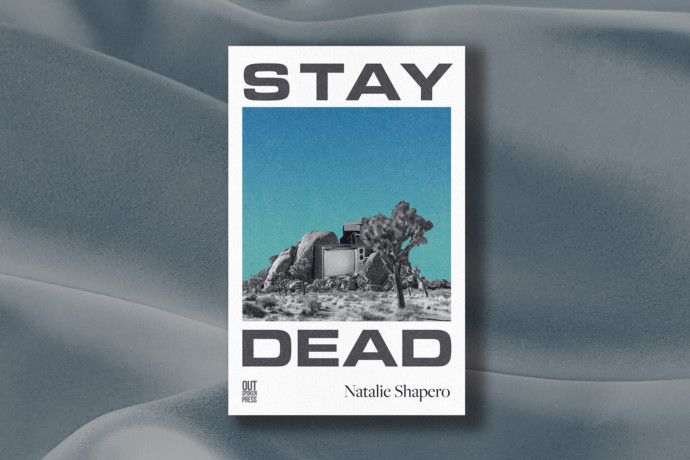
Natalie Shapero – T.S. Eliot Writers’ Notes
Welcome to our Writers’ Notes for the 2025 T.S. Eliot Prize shortlist. These are educational resources for poets looking to develop their practice and learn from some of contemporary poetry’s most exciting and accomplished voices. Here’s Natalie Shapero on her collection Stay Dead. The Way Out Something I get asked a lot is whether my poems are…
 Natalie Shapero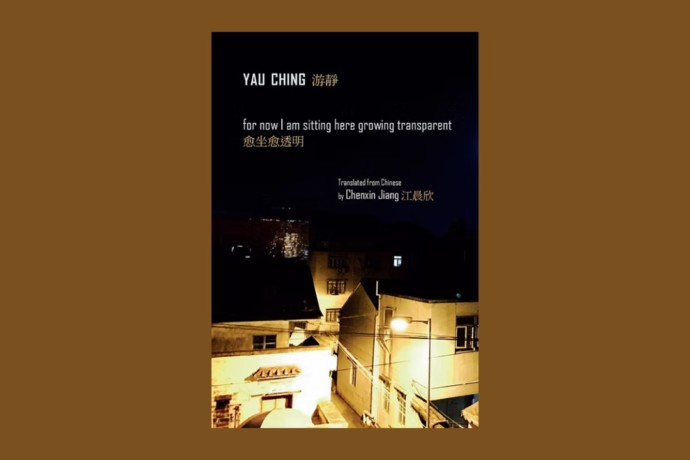
Queer Ecology in Translation: Tim Tim Cheng reviews ‘for now I am sitting here growing transparent’ by Yau Ching, translated by Chenxin Jiang
Tim Tim Cheng explores a world where endings and beginnings are inseparable in Yau Ching’s for now I am sitting here growing transparent (Zephyr Press, 2025). Bilingual books curate a space of generosity. Placing work in the source language and target language side by side invites cross-cultural exchange. While monolingual readers must navigate unfamiliar sightlines,…
 Tim Tim Cheng
What An Indie Publisher Can Teach You About Writing
As part of our Poetry Craft series, Autumn Richardson and Richard Skelton from Corbel Stone Press discuss what an indie publisher can teach you about writing. How has running Corbel Stone Press shaped your perspective on what poetry can do, beyond the autobiographical? Our personal experiences inform every aspect of our lives, so we’re not…
 Autumn Richardson and Richard Skelton
Vona Groarke – T.S. Eliot Writers’ Notes
Welcome to our Writers’ Notes for the 2025 T.S. Eliot Prize shortlist. These are educational resources for poets looking to develop their practice and learn from some of contemporary poetry’s most exciting and accomplished voices. Here’s Vona Groarke on her collection Infinity Pool. Floaters & Flashes I’m deeply suspicious of the term ‘my practice’ when used by…
 Vona Groarke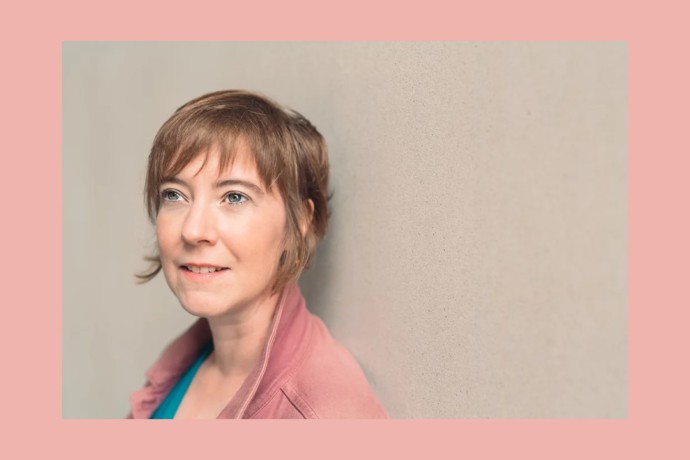
How Poets Navigate Plagiarism, Consent, and Authorship
As part of our Poetry Craft series, Sarah Hesketh discusses how poets navigate plagiarism, consent, and authorship. When using real speech in poetry, how do you maintain authenticity without simply reproducing raw material? I suppose I’d immediately like to take issue with that word ‘authenticity’. Poetry that incorporates text that comes from a speech act…
 Sarah Hesketh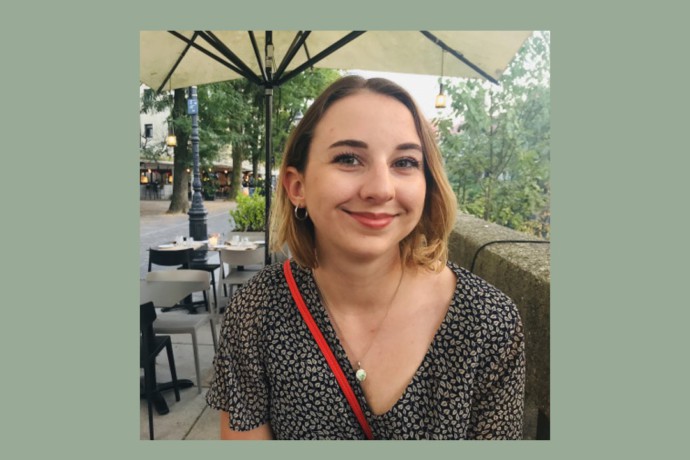
Who Gets to Write? Class, Work and the Politics of Poetry Today
As part of our Poetry Craft series, Ruth Beddow discusses class, work and the politics of poetry today. Before we talk about whose poetry gets published, promoted or awarded, we need to ask: who gets to write in the first place? A myth of ‘working-class writing’? In recent years, we’ve seen Joelle Taylor (raised in…
 Ruth Beddow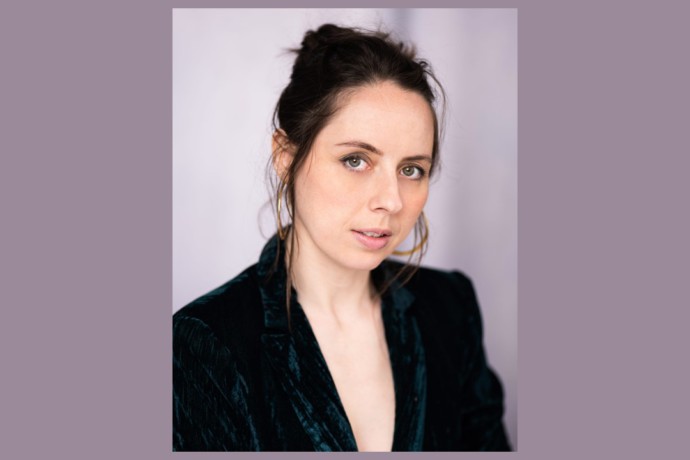
How to: Develop Poetic Sensitivity to the Spaces Between
In this series, we interview our tutors about poetry and its place in their world. These interviews will cover creative writing tips, excelling in a poetry workshop, building a literary career, and finding your poetic voice. Here’s Helen Calcutt on how to develop poetic sensitivity to the spaces between. How can poets use the ‘spaces…
 Helen Calcutt