 Hannah Silva
Can AI deepen our understanding of poetry practice? As part of our Poetic Craft series, Hannah Silva discusses how AI has impacted poetry.
Do you think poets should be using AI, or writing about it? Or maybe both?
The widespread use of large language models (LLMs), and the way they can produce texts that resemble creative writing so quickly makes this a crucial time to rethink what writing and thinking is, and will become. I share in the outrage over the piracy of big tech, and the ethical and environmental impact of the technology. However, I am concerned that blanket rejection of writing that engages creatively with LLMs within literature/publishing dissuades writers from experimenting with the tools, learning how to use them and what this means for our craft. Whether we choose to use them in our writing or not, I believe that we need to know what the models can and can’t do, and what this means for writers.
Creativity always lies with the human, but as human writers, established and new, we need understanding of how LLMs have been developed, how they are being used and how to work with the tools creatively. Deeper understanding of biases, design and history, and nuanced rather than polemical discussion is essential for the future of our craft and offers an opportunity to think about what poetry and human creativity can be. In my course we will look at large language models through the lens of glitch feminism, procedural writing techniques, neurodivergent and queer uses of language. We will engage with the technology in order to understand more about ourselves as poets, thinkers and humans.
Some people say AI makes writing easier; others say it makes us lazy. What do you think poetry can do that an algorithm never could?
I think that the separation between large language models and human writers is unhelpful. A large language model is not a writer, but a writer can write using a large language model. Poets can use algorithms in experimental ways to create poetry that they could not produce without the model, and that the model could certainly not produce without the poet. The human versus AI polarity is encouraged by big tech as it makes large language models seem more powerful and creative than they are, it’s a marketing ploy. It makes no sense to oppose the human and the language model. There is no such thing as artificial intelligence.
When you write, how much do you think about technology: your phone, your laptop, the endless notifications? Do you ever feel it changes the way you see language or pay attention?
One of the things I’d like us to do on this course is consider where we put our attention and how important attention is for the writer. I love Julia Bell’s essay length book, Radical Attention. Understanding how our attention is exploited feels crucial at this time. Some minds revel in interruption, multi-tasking, working in short bursts of energy, others need total focus. We will experiment with working with technology, and without it.
There’s been a lot of talk about AI as a “creative partner.” Do you think a poet can ever truly collaborate with a machine, or is poetry too human for that?
The word ‘collaborate’ isn’t accurate when it comes to using a large language model. I think a poet can use language generated by the models, can use the models to process texts in multiple ways, can use all kinds of creative prompts that might generate material for them to work with, but this is not collaboration, the creativity lies with the poet.
In a world where everything feels faster and noisier, how do you protect your solitude as a writer? What helps you slow down and listen to yourself again?
I struggle with this. I hope that through running my course, I will learn to do it better, and that I will be able to take my own advice and find the patterns of work, reading and solitude that I need. It feels crucial to re-find the value in writing and creating.
Finally, what advice would you give to poets who are just starting to write in the age of AI?
I think that education is essential, and that we need to spend time learning, understanding, questioning and exploring. Today’s large language models are trained to provide answers, while for me, the best writing and poetry raises questions and explores subject matter that cannot be summarised in a neat sentence. By working with large language models, in my course next Spring we will gain deeper understandings of our own poetry and ways of thinking. Although this course will engage with large language models and technology, we do this to gain insight into the human, and the individual ways we see and process the world around us.
Hannah is running her course Writers not Users: A Masterclass on Living & Writing in the Age of AI with us this Spring, starting on 12 January 2026. To find out more and book your place please visit this page.
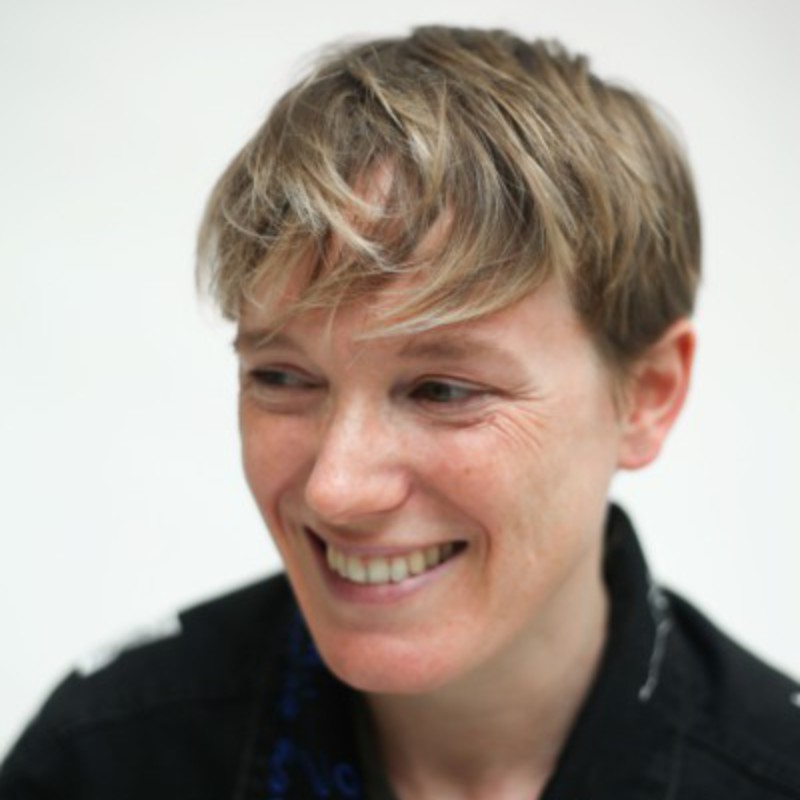
Hannah Silva is a writer and performer confronting big ideas through formal innovation and a seriously playful approach to language, voice and technology. Silva’s work spans BBC radio dramas, a sound poetry/music record, Talk in a bit, and two decades of critically acclaimed poetry and performance. Their eighth BBC radio play, An Artificially Intelligent Guide to Love was the starting point for My Child, the Algorithm (Footnote Press), a genre-fluid memoir exploring love and queer single parenting, woven into glitchy and poetic contributions by an early, open source large language model, and a toddler. It was named a 2023 Granta book of the year. Their debut poetry collection Forms of Protest (Penned in the Margins) was Highly Commended in the 2013 Forward Prizes. Silva’s second poetry collection Crow, Pirate, Fly is forthcoming with Bad Betty Press.
Add your Reply
You must be logged in to post a comment.