 Sascha Akhtar
Writing about death in poetry can be extremely challenging, so Sascha Akhtar, who is teaching her course Somebody’s Walking Over My Grave this October, has put together some tips for finding the right words to use in your writing.
1. Feel
Emotion is frowned upon in Western culture, both in our workspaces, often within family structures as well. How can we not have a ‘stiff upper lip’ ? What is it to write through trembling lips and trembling bodies?
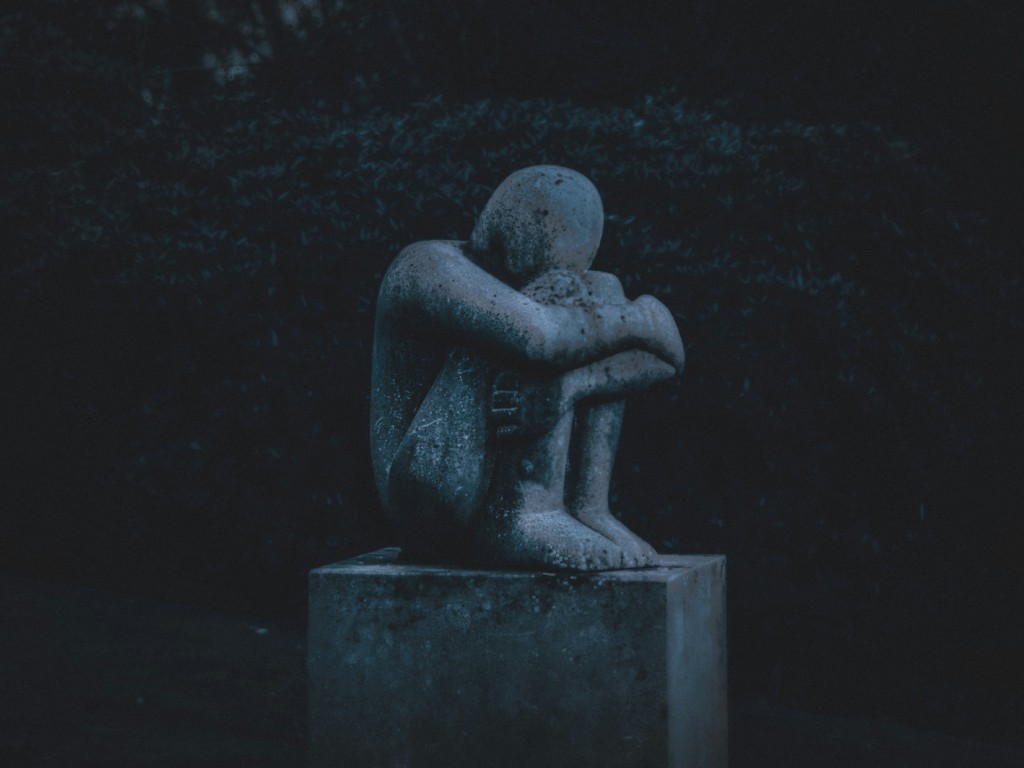
Image credit: @kmitchhodge
2. Imagine
Use the imagination to take you to unexpected spaces using your body as grounding. Death is an untethering from this known world. We know very little about what occurs after. The imagination can help work through this unknown aspect.

Image credit: @jrkorpa
3. Be Unafraid
In Norse mythology, it is said that the tree of life requires our tears to grow, that it is only through feeling our scariest emotions and letting the tears run that the earth can regenerate. I love this idea which brings us close to humanity. Don’t be afraid to be human in your writing.

Image credit: @pixabay
4. Allow Discomfort
The subject of death can bring forth great unease. Allow for this and see how it can take form in your writing. It is all part of the process.

Image credit: @danielabbatt
5. Be Kind
To yourself! Bringing forth memories, deep emotions around those who have passed can be painful. In some cases, if writing about someone we were close to, remember that this writing may well be a way to honour those emotions and potentially resolve things.

Image credit: @jamie452
If you would like to learn more about writing about death in poetry, Sascha is teaching her brand new course Somebody’s Walking Over My Grave this Autumn, starting on Saturday 17 October. Find out more and book your place here.
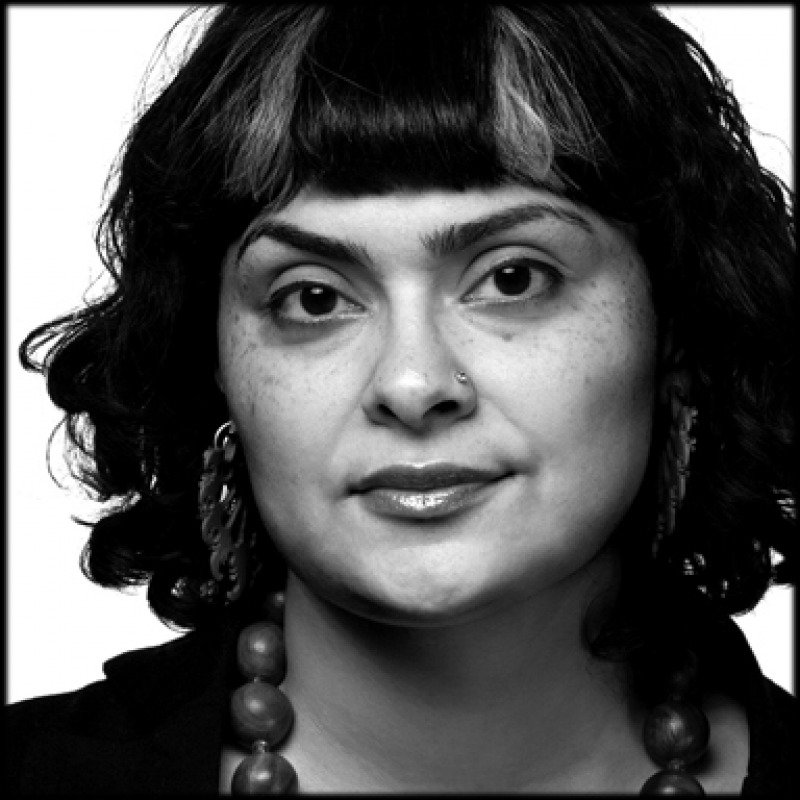
Sascha A. (Aurora) Akhtar is committed to decolonial praxis in art and education. Akhtar writes short fictions, poetry, essays, and is a translator. She was a Creative Writing lecturer for six years at the University of Greenwich until 2025, when a cull of lecturers took place.
Akhtar has authored seven metaphysical poetry collections. The first, The Grimoire of Grimalkin (Salt, 2007), was released in a second edition by Prototype Publishers in 2024 and is currently available. Her poetry has been widely anthologised, translated, and performed internationally at festivals such as the Ledbury Poetry Festival, Medway Festival of Literature, Emirates Festival of Literature, Poetry International Festival Rotterdam, Avantgarde Festival Hamburg, and Southbank Centre’s MELTDOWN festival London curated by Yoko Ono.
She has been a judge for the Streetcake Prize for Experimental Writing and the Stephen Spender Prize. In 2019, Poetry Wales named ‘Poems For Eliot’ as the number one poem of the last five years and Only Dying Sparkles was featured on the Southbank Poetry Library acquisitions & at the University of Leeds Poetry By Design Exhibit in the same year.
A prose collection set in the country of her birth, Pakistan, Of Necessity And Wanting, is a study of the economics of want and the politics of need in a post-colonial environment. It was shortlisted for the UBL prize for literary excellence. Akhtar’s translations of pioneering feminist writer Hijab Imtiaz “Belles-Lettres” are available on Oxford University Press. Akhtar’s latest writings whether cross-genre creative non-fiction, fiction, or poetry appear in Ludd Gang, BlackBox Manifold, Shuddhasar, Fugitives & Futurists, Deleuzine, Lucy Writer’s Platform, Storgy, The Learned Pig, Tears In The Fence, BlazeVox, Anti-Heroin Chic, Queen Mob’s Teahouse, the Prototype Annual 4, Cut-Purse (Tangerine Press, 2022), Of Myths and Mothers anthology 2022, and The Fortnightly Review. In 2019, her poems appeared in the Blackpool Illuminations and her most recent essay ‘Decolonizing the Ghazal’ was published in the Magma ‘Ownership’ issue.
Add your Reply
You must be logged in to post a comment.